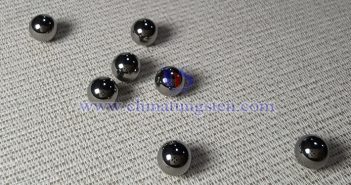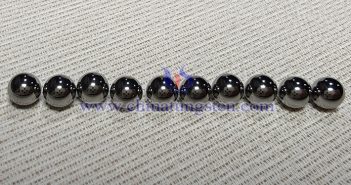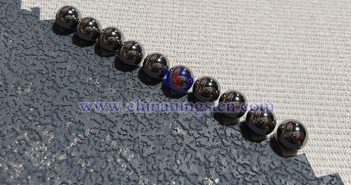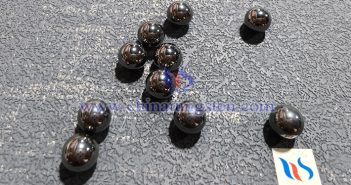
The primary reason for using cemented carbide balls in low-pressure valves is not to handle high pressure, but rather to utilize their…
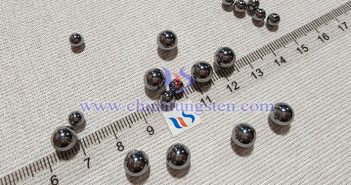
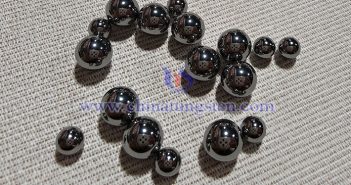
Cemented carbide valve balls are increasingly widely used in high-pressure valves, especially suitable for harsh operating conditions in petrochemical, coal chemical, power,…
The application of cemented carbide ball valves in check valves is mainly for the ball valve disc design in ball check valves…
The core of coating selection for cemented carbide valve balls is achieving a balance between properties such as hardness, wear resistance, corrosion…
As the core opening and closing element of control valves, cemented carbide balls achieve precise control of media flow through rotation. Its…
Cemented carbide valve balls are rotary fluid control components that maintain sealing performance. Their application principle is based on the synergistic effect…
The purpose of the cemented carbide valve ball grinding and polishing process is to obtain high spherical accuracy (perfect roundness), low surface…
Cemented carbide valve balls are widely used in valves operating under high pressure, high temperature, corrosive media, and high wear resistance conditions…
As a core control component in petroleum, chemical, and deep-sea drilling industries, the manufacturing process of carbide valve balls must balance high…
The performance of cemented carbide valve balls is not determined by a single factor, but rather by the combined effects of material…