The performance of cemented carbide valve balls is not determined by a single factor, but rather by the combined effects of material composition, manufacturing process characteristics, and the external working environment.
1. Material Composition
Hard phase: Such as tungsten carbide (WC), primarily providing hardness and wear resistance. Generally, as the WC content increases, the overall wear resistance of the cemented carbide valve ball improves.
Binder phase: Such as cobalt (Co), binding the WC particles together, primarily providing toughness. Generally, higher cobalt content usually results in higher bending strength of the cemented carbide valve ball, but may decrease hardness and corrosion resistance.
Other additive phases: Elements such as nickel (Ni) can significantly improve the corrosion resistance of cemented carbide valve balls in acidic and other corrosive media.
2. Microstructure
WC Grain Size: Fine-grained structures result in higher hardness and compressive strength; while coarse-grained structures improve flexural strength and thermal shock resistance, and slow the propagation rate of thermal fatigue cracks.
Density and Defects: Internal defects such as porosity and microcracks significantly reduce the flexural strength and overall reliability of cemented carbide valve balls, potentially becoming failure initiations under high pressure.
3. Manufacturing Process
Sintering Process: Advanced low-pressure sintering processes yield materials with pure microstructures; subsequent hot isostatic pressing (HIP) treatment greatly eliminates internal defects, densifying the material and thus significantly increasing the compressive strength of the cemented carbide valve ball.
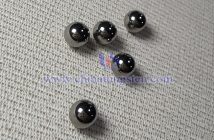
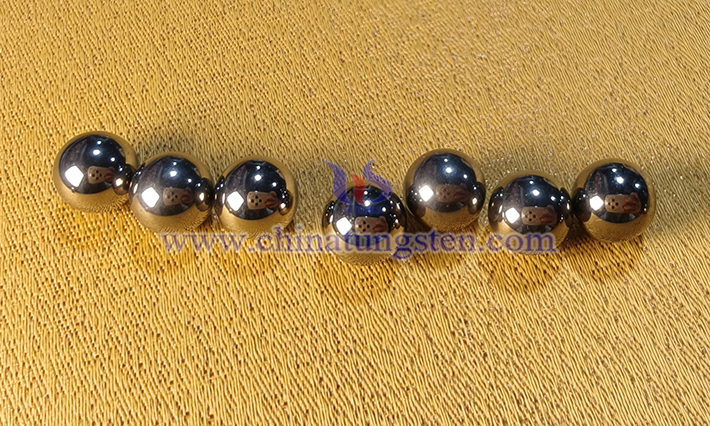
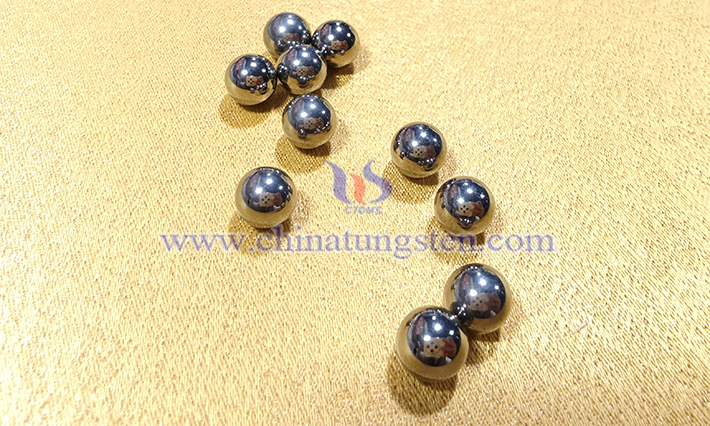
Precision Machining Quality: The sphericity (true sphericity) and surface roughness of the valve ball directly affect its sealing performance.
4. External Operating Conditions
Media Characteristics: The corrosiveness of the medium (e.g., acids, alkalis) directly affects the stability of the bonded phase of the cemented carbide valve ball; the presence of solid particles in the medium (e.g., slurry, catalysts) can cause severe erosion wear.
Temperature and Pressure: Extremely high operating pressures place demands on the compressive strength and toughness of the cemented carbide valve ball. Drastic temperature changes or cycles can generate alternating thermal stress inside the valve ball, which may induce thermal fatigue cracks over long periods.
Operating Mode: Frequent opening, closing, or throttling operations will result in continuous mechanical impact and frictional wear.
5. System Compatibility
Matching with Valve Seat: Cemented carbide valve balls are typically used in conjunction with carbide valve seats. The matching of hardness and contact stress design between the two is crucial. Inappropriate matching can lead to abnormal wear, seal failure, or excessive switching torque.
Thermal Expansion Compatibility: Whether the coefficients of thermal expansion between the cemented cemented carbide valve ball, valve seat, and even the valve body material are compatible will affect the sealing preload under high or low temperature conditions, potentially leading to blockage or leakage.