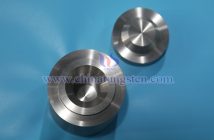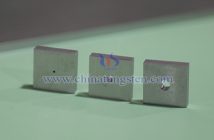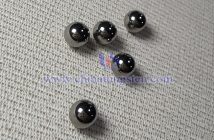
The primary reason for using cemented carbide balls in low-pressure valves is not to handle high pressure, but rather to utilize their superior wear and corrosion resistance and stable sealing performance to address the challenges of special and demanding low-pressure conditions, such as those involving solid particles, corrosive media, or requiring high-frequency opening and closing.
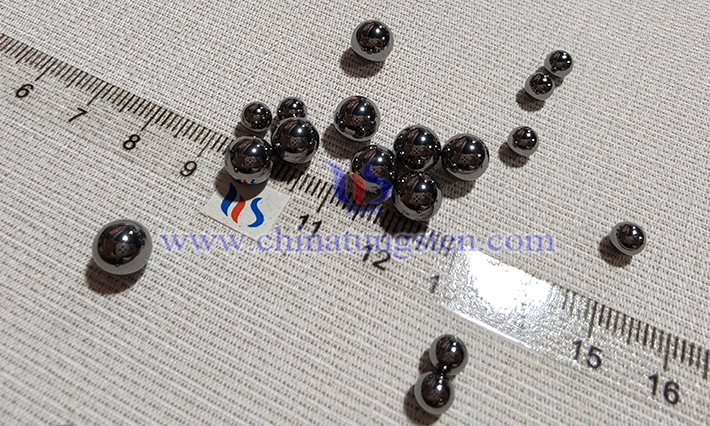
In low-pressure valves, the valve ball is the core opening and closing element, and its performance directly affects the system's sealing effect and service life. Traditional materials such as stainless steel or ceramics are prone to wear and tear, leading to sealing surface failure and internal leakage in frequent opening and closing or media containing small particles. Carbide, especially tungsten-cobalt alloys, with its extremely high hardness (HRA reaching over 90) and excellent wear resistance, significantly resists erosion and wear, ensuring that the valve ball maintains its geometric accuracy even after long-term operation, thus maintaining reliable line or surface seals and greatly extending the maintenance cycle of low-pressure valves.
Furthermore, low-pressure systems are commonly used in chemical, metallurgical, and water treatment industries, where the media may be corrosive. High-quality cemented carbide, precision sintered, has a dense structure and extremely low porosity, exhibiting excellent corrosion resistance to most acidic and alkaline media, preventing surface damage caused by pitting or corrosion. Its good rigidity also effectively prevents microscopic deformation that may occur during installation or pressure fluctuations.
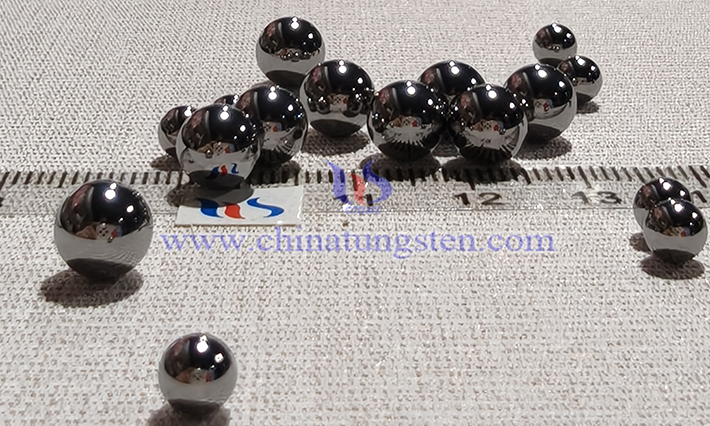
In terms of application, cemented carbide valve balls are particularly suitable for harsh low-pressure environments, such as a core component of metering or regulating valves, requiring extremely high repeatability and long service life; or for conveying slurry media containing fine, hard particles at low pressure, where their wear resistance is fully utilized. When paired with high-performance valve seat materials (such as PTFE, PEEK, or other cemented carbide materials), they form an ultra-durable friction pair.