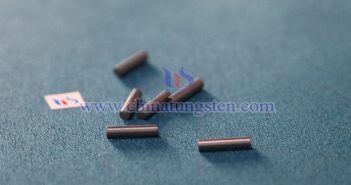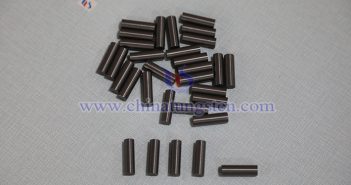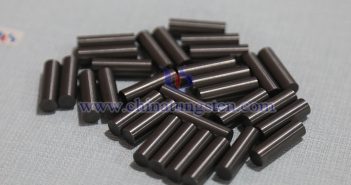
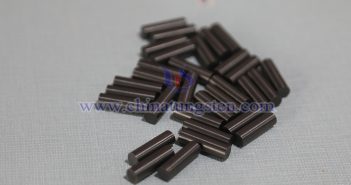
The wear resistance of cemented carbide rods is primarily determined by the characteristics of the carbides (type, grain size, distribution morphology), the…
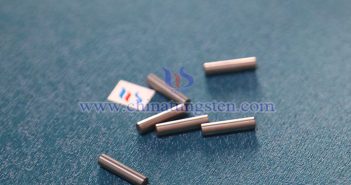
The most fundamental reason why cemented carbide rods have strong wear resistance is that they contain a large amount of extremely hard,…
Cemented carbide rods have excellent high-temperature resistance, with their heat-resistant temperature typically reaching 800℃ to 1000℃, and some special processes or improved…
Cemented carbide rods, with their unique composition and structure, exhibit good applicability in a variety of corrosive environments, such as acidic environments…
The high-temperature resistance of cemented carbide rods is excellent, especially the hardness retention at high temperatures far exceeds high-speed steel. However, its…
The thermal conductivity of cemented carbide rods is generally poor overall, but there are differences in thermal conductivity performance among different types…
At room temperature, the thermal conductivity of cemented carbide rods generally ranges from 70-110 W/(m·K), significantly higher than steel but lower than…
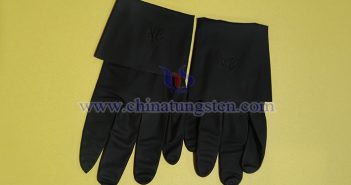
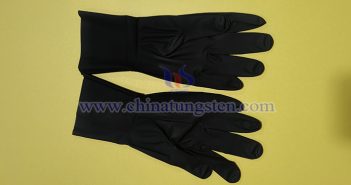
Tungsten rubber glove is a radiation protection glove mainly composed of rubber substrate (such as neoprene or natural rubber latex) compounded with…
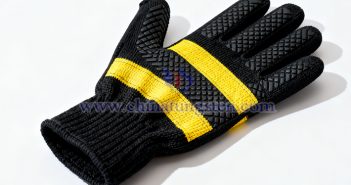
Tungsten wire woven glove is a high-performance anti-cut protective glove mainly woven from fine tungsten wire compounded with high-strength fibers such as…
The differences between tungsten rubber gloves and lead rubber gloves include variations in material composition, performance, production methods, and application scenarios. 1.…