The wear resistance of cemented carbide rods is primarily determined by the characteristics of the carbides (type, grain size, distribution morphology), the composition and content of the binder, the overall hardness of the material, the crystal structure and organizational uniformity, as well as the operating conditions.
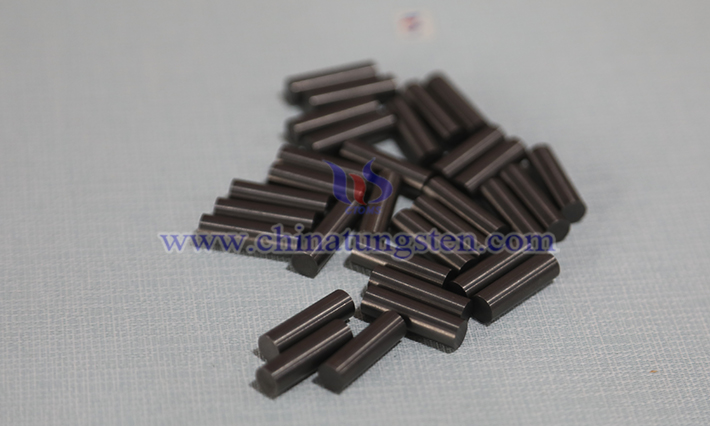
CTIA GROUP LTD Cemented Carbide Rods Pictures
I. Carbide Characteristics
Carbide type: The commonly used carbides in cemented carbide rods include tungsten carbide (WC), titanium carbide (TiC), etc. The properties of these carbides, such as hardness, crushing strength, and bonding strength with the matrix, are closely related to wear resistance. High-hardness carbides serve as the main anti-wear phase in cemented carbide rods and play a decisive role in the material's wear resistance under specific operating conditions.
Carbide grain size: The grain size of carbides also has a significant impact on wear resistance. Generally speaking, the finer the carbide grains, the better the wear resistance of cemented carbide rods. This is because fine-grained carbides can be more uniformly distributed in the matrix, forming a denser anti-wear layer, thereby effectively resisting wear.
Carbide distribution morphology: The distribution morphology of carbides also affects wear resistance. When the carbide size is larger than the indentation depth of abrasive particles, it hinders the penetration of abrasives, making wear grooves shallower and thus improving wear resistance. However, networked carbides are detrimental to wear resistance because they easily become starting points for crack propagation, leading to a decrease in the material's wear resistance.
II. Binder Composition and Content
The binder in cemented carbide rods is mainly metallic elements such as cobalt (Co). The composition and content of the binder also have an important influence on wear resistance. Generally speaking, as the cobalt content increases, the toughness of cemented carbide rods improves, but the hardness and wear resistance decrease accordingly. Therefore, when manufacturing cemented carbide rods, it is necessary to adjust the composition and content of the binder according to specific usage requirements to achieve optimal wear resistance performance.
III. Overall Material Hardness
Hardness is one of the important indicators for measuring the wear resistance of materials. The higher the hardness of cemented carbide rods, the stronger their ability to resist wear. Therefore, during the manufacturing process, it is necessary to optimize process parameters and raw material ratios to increase the hardness of cemented carbide rods.
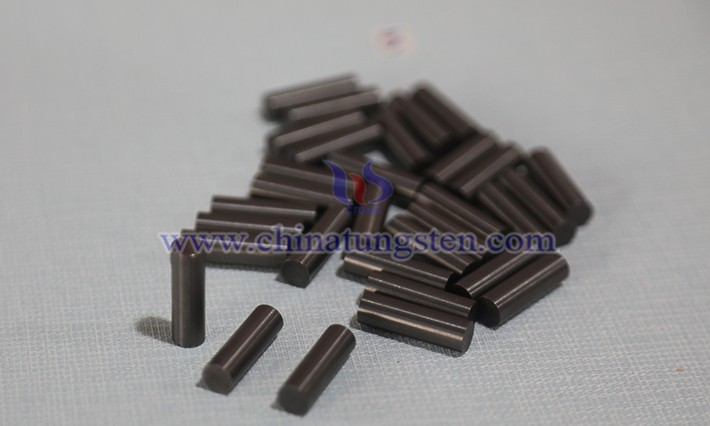
CTIA GROUP LTD Cemented Carbide Rods Pictures
IV. Crystal Structure and Organizational Uniformity
The crystal structure and organizational uniformity of cemented carbide rods also affect their wear resistance. Cemented carbide rods with stable crystal structures and uniform organizations usually exhibit better wear resistance performance. This is because such structures can more effectively resist stress concentration and crack propagation during the wear process.
V. Operating Conditions
Operating conditions are also an important factor affecting the wear resistance of cemented carbide rods. For example, when used in high-speed cutting or high-temperature environments, the wear resistance of cemented carbide rods may be affected. Therefore, when selecting cemented carbide rods, it is necessary to choose the appropriate material and grade according to the specific operating conditions.