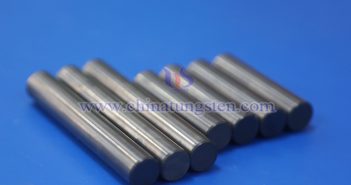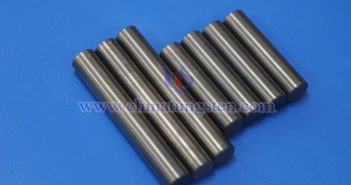
A tungsten alloy gyroscope counterweight is a high-density alloy component primarily composed of tungsten as the base (usually dominant content), alloyed with…
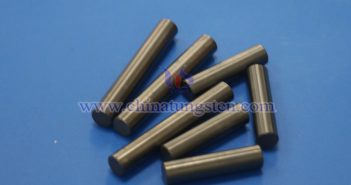
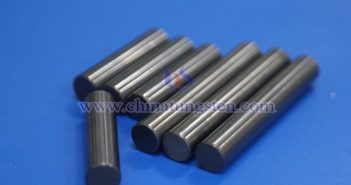
The production process of cemented carbide rods is a complex and rigorous process, mainly covering key steps such as raw material preparation,…
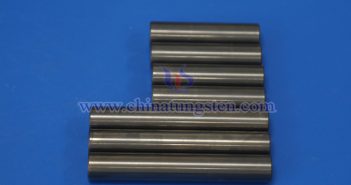
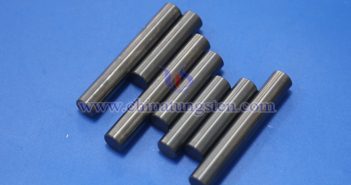
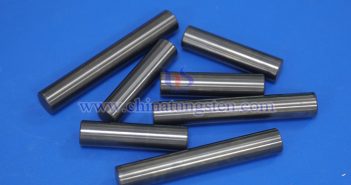
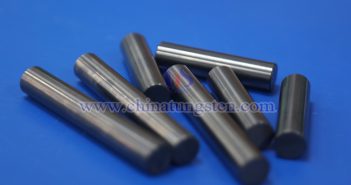
Cemented carbide rods, usually referring to solid cemented carbide rod blanks or bars, are commonly used to make cutting tools such as…
The pressing forming of cemented carbide rods usually adopts three methods: cold isostatic pressing, die pressing, and extrusion forming. I. Cold Isostatic…
The main forming methods for cemented carbide rods include extrusion molding, die pressing, injection molding, cold isostatic pressing, etc. In actual production,…
Vacuum sintering provides an oxygen-free, clean, and low-resistance high-temperature environment for cemented carbide rods, making it the most effective and reliable industrial…
Controlling the uniformity of cemented carbide rods involves the entire manufacturing process from raw materials to finished products. It requires high-quality raw…
During the manufacturing of cemented carbide rods, due to multiple factors such as raw material characteristics, process control, and equipment precision, common…
The sintering temperature of cemented carbide rods mainly depends on the cobalt content, tungsten carbide grain size, whether other grain growth inhibitors…
Whether the surface of cemented carbide rods requires grinding processing should be comprehensively judged based on their application scenarios, precision requirements, surface…