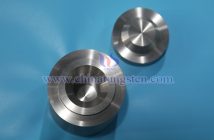
The sintering temperature of cemented carbide rods mainly depends on the cobalt content, tungsten carbide grain size, whether other grain growth inhibitors are added, and the specific sintering process adopted. Generally speaking, the most common and mature liquid-phase sintering temperature in the production of ordinary cemented carbide rods is concentrated in the range of 1400–1450℃, with the specific temperature fine-tuned within ±30–50℃ in this range according to the cobalt content and grain size requirements.
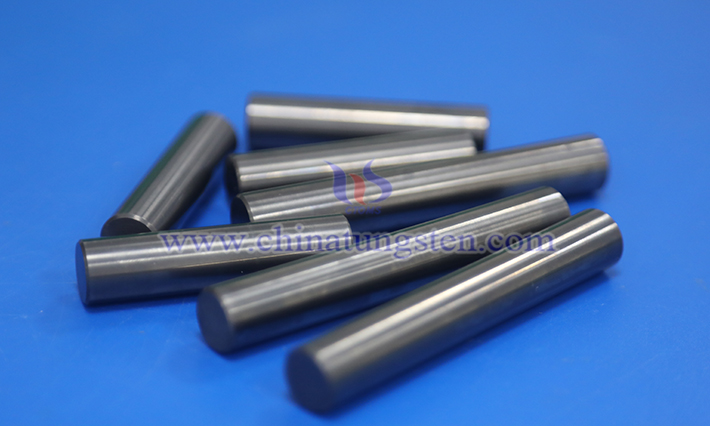
CTIA GROUP LTD Cemented Carbide Rods Pictures
1.Conventional liquid-phase sintering temperature for cemented carbide rods (vacuum sintering or low-pressure sintering)
Typical temperature range: 1360–1480℃
Most commonly used industrial production temperatures:
Low cobalt (Co≤6%): 1420–1480℃ (the lower the cobalt content, the higher the temperature required for sufficient liquid phase)
Medium cobalt (Co 8–12%): 1380–1450℃
High cobalt (Co≥15%): 1360–1420℃
2.Reference temperatures for common grades of cemented carbide rods (for reference only, actual temperatures vary with manufacturers' formulations)
YG6 (WC-6Co): approximately 1420–1450℃
YG8 (WC-8Co): approximately 1400–1440℃
YG11C/YG15: approximately 1360–1420℃
Ultra-fine/submicron grain grades (such as those containing TaC, VC, Cr3C2 inhibitors): usually 1380–1430℃ to avoid excessive grain growth
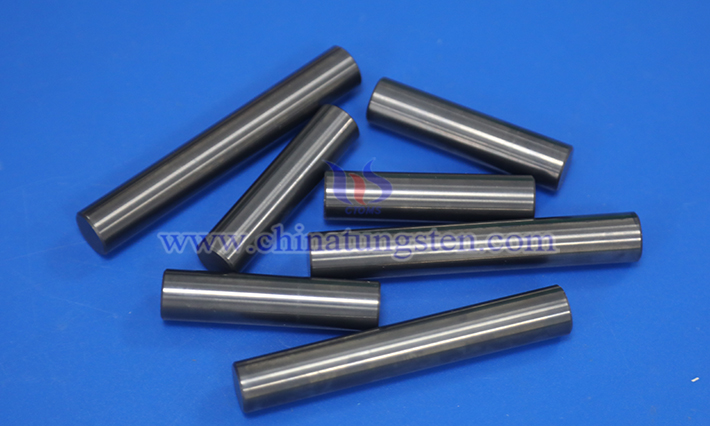
CTIA GROUP LTD Cemented Carbide Rods Pictures
3.Temperature differences for different sintering processes of cemented carbide rods
Vacuum sintering: basically within the above range
Low-pressure sintering (Hot Isostatic Pressing Sintering, Sinter-HIP): sintering stage temperature generally 1380–1440℃, followed by holding with 2–6MPa argon gas
Hot Isostatic Pressing (HIP, post-treatment): usually performed at 1350–1420℃ under 60MPa, not as the main sintering temperature
Microwave sintering, Spark Plasma Sintering (SPS): temperature can be reduced by 50–150℃ (1250–1350℃ is sufficient), but currently mostly used in laboratories or for special small rods.