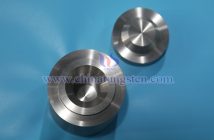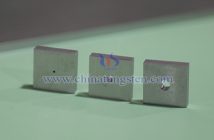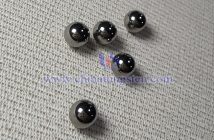
As a high-density, high-hardness metal product, tungsten beads are widely used in fishing, industrial grinding, and shooting, and their environmental friendliness has garnered significant attention. Compared to traditional lead products, tungsten beads are considered a more environmentally friendly alternative in many scenarios.
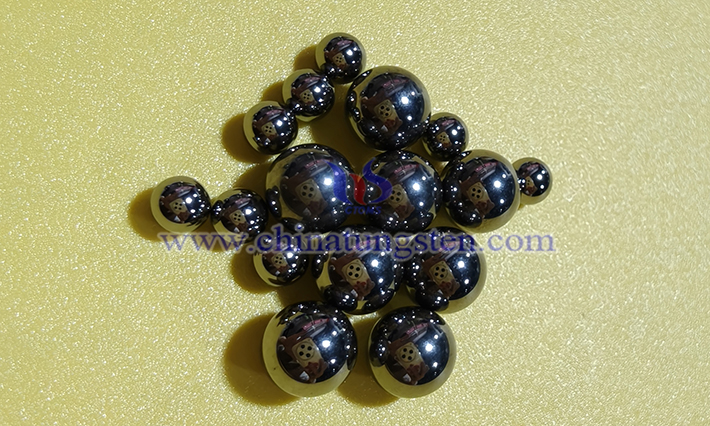
1. Replacing Lead Products, Significantly Reducing Toxic Pollution
Traditional fishing weights (lead weights) are a major source of lead pollution in aquatic waters. Lead is bioaccumulative and, once in water, can harm fish, aquatic organisms, and even human health through the food chain. Lead weights are difficult to degrade after being dropped or lost, releasing lead ions to the bottom of the water over many years, impacting the ecosystem. Tungsten beads have a high density (approximately 14.5–19 g/cm3) and a volume only about 30% of an equivalent weight of lead weight, requiring far less material. More importantly, tungsten and its common alloys have extremely low toxicity at environmentally relevant concentrations, far lower than heavy metals such as lead, mercury, and cadmium, and are essentially harmless under normal environmental levels. Many countries have adopted tungsten alloys as green ammunition to replace lead bullets, and tungsten sinkers are increasingly being promoted as environmentally friendly fishing weights in the fishing industry.
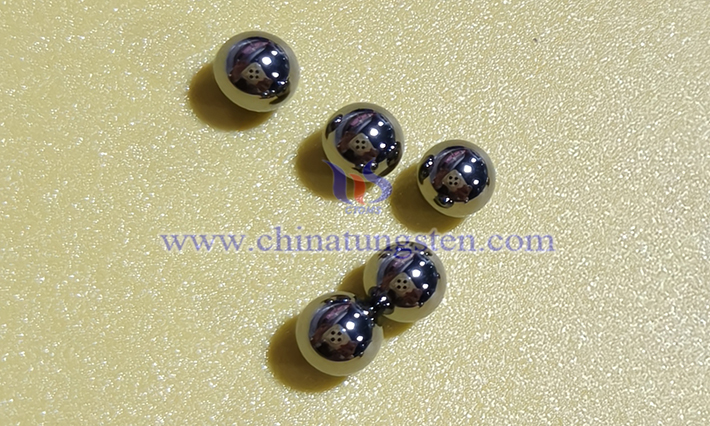
2. High Durability, Reduced Waste Generation
Tungsten beads have extremely high hardness, exceeding 1500 kg/mm2, making them wear-resistant and corrosion-resistant, with a service life far exceeding that of lead sinkers or steel balls. They are not easily deformed, broken, or worn, reducing resource consumption and waste caused by frequent replacements, resulting in strong sustainability.
3. High Recycling Value, Promoting a Circular Economy
The economic value of recycling waste tungsten steel and tungsten alloys is significant. China is the world's largest tungsten producer, and recycling waste tungsten can effectively save on raw ore mining and reduce ecological damage to mines. Proper recycling can also prevent tungsten from entering the environment as a long-term pollutant.