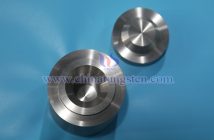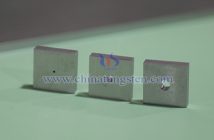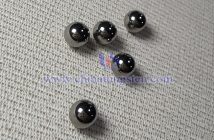
Tungsten beads are small, spherical particles made primarily of tungsten (or its alloys). Depending on their composition and application, they are mainly divided into two categories: tungsten carbide beads (commonly known as tungsten steel balls or cemented carbide balls) and high-density tungsten alloy beads (also called tungsten shots). Although both can be called "tungsten beads," their materials, hardness, density, and applications differ significantly.
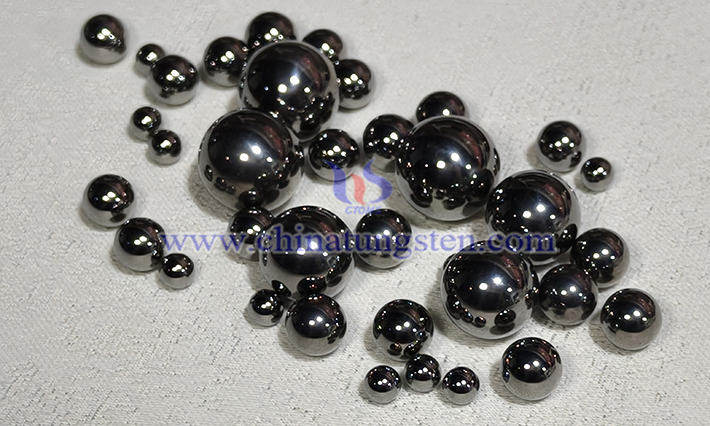
1. Tungsten Carbide Beads
The material is tungsten carbide (WC)-based cemented carbide, typically with 6–10% cobalt (Co) added as a binder, manufactured using powder metallurgy. They possess high hardness (HRA 89–93, close to diamond), strong wear resistance (tens to hundreds of times more wear-resistant than ordinary steel beads), high density (approximately 14.5–15.0 g/cm3), corrosion resistance, high temperature resistance, bending resistance, resistance to deformation, and a wide size range.
Common applications of tungsten carbide beads include ballpoint pen tip rollers, precision bearing rollers, measuring balls, valve balls, hardness tester indenters, spray painting machine parts, oilfield valve sealing balls, punching dies, wire drawing dies, and color scraping balls—all in high-wear-resistance applications.
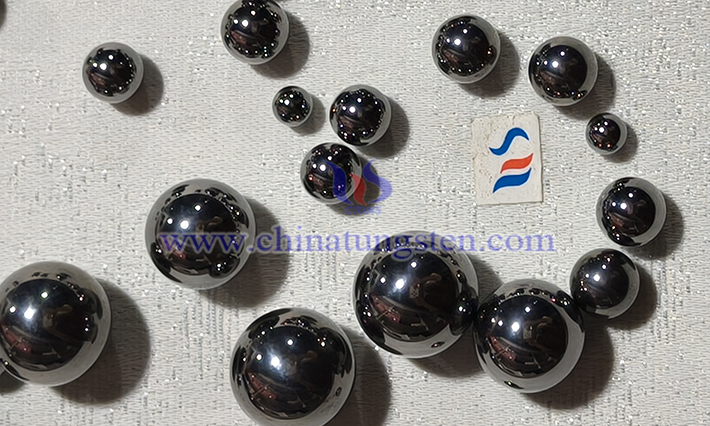
2. High-Density Tungsten Alloy Beads
These tungsten beads are made of pure tungsten or tungsten-based heavy alloys (tungsten content typically 92–98%, with the remainder being Ni, Fe, Cu, etc.). They are characterized by high density (16.5–18.5 g/cm3, far exceeding that of lead), non-toxicity (an environmentally friendly alternative to toxic lead products), small size, and high weight.
Main uses of high-density tungsten alloy beads include fly fishing weights, counterweights, balance weights, radiation shielding components, and some military applications such as shotgun pellets and armor-piercing rounds.