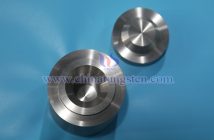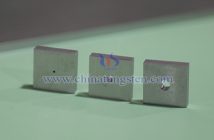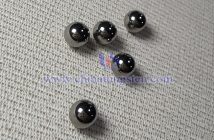
Is cemented carbide rod a type of cermet composite material?
Yes, cemented carbide rods belong to the category of cermet composite materials. This conclusion is based on their composition, structure, and performance characteristics. The following is a detailed explanation:
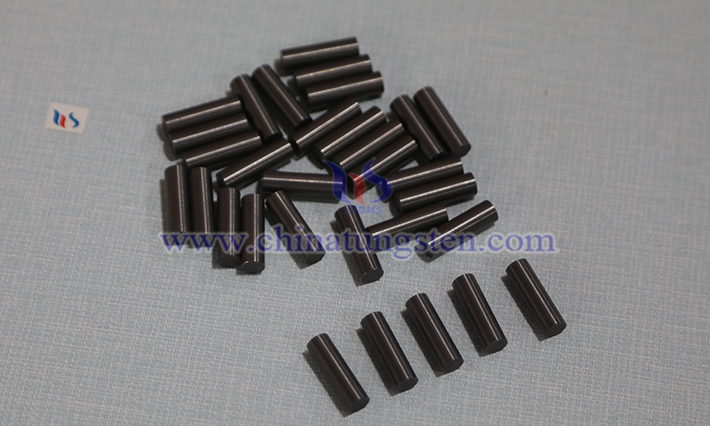
1.Core definition Cermet: In the strict sense, cermet (Cermet) refers to a material composed of a ceramic phase (typically hard, high-melting-point oxides, carbides, nitrides, or borides) and a metal or alloy phase, combined through microstructural composite processes. It is designed to combine the high hardness and wear resistance of ceramics with the toughness and impact resistance of metals. Cemented carbide: Usually refers to tungsten carbide-cobalt (WC-Co) materials, consisting of highly hard tungsten carbide ceramic particles bonded by a metallic cobalt phase.
2.Why cemented carbide is a typical cermet composite material? Two-phase composite structure: Ceramic phase (dispersed phase): Tungsten carbide particles, which provide extremely high hardness and wear resistance. Metallic phase (binder phase/continuous phase): Cobalt, which melts during sintering, wets the tungsten carbide particles, and firmly binds them together after cooling, providing toughness, impact resistance, and a certain degree of plasticity. Performance advantages: This composite structure perfectly combines the hardness of ceramics with the toughness of metals, overcoming the brittleness of single-phase ceramics and the insufficient hardness of single-phase metals, making it an ideal material for cutting, drilling, and wear-resistant tools.
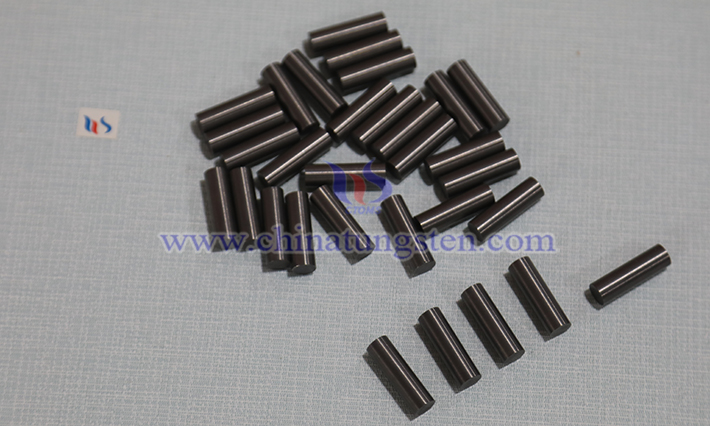
3.Discussion and clarification in classification Although cemented carbide (WC-Co) fully meets the definition of “ceramic particle-reinforced metal matrix composite material” under cermet, in industry and academic terminology, there are some conventional distinctions: Narrow-sense cermet: Sometimes specifically refers to composite materials using TiC, TiN, and other ceramic phases (rather than WC) combined with metals such as Ni, Co, Mo, etc. For example, TiC-Ni-Mo materials are often called “cermets” and are used for finishing operations. Broad-sense cermet: From the perspective of materials science, cemented carbide (WC-Co) is the most classic, most successful, and most widely applied cermet system. Any engineering composite material composed of ceramic and metal two phases can be classified under the cermet category.
4.Summary From a scientific essence perspective: Cemented carbide rods (WC-Co) are an outstanding representative of cermet composite materials. From an engineering and application perspective: They are usually directly classified as cemented carbide, which is a more specific and commonly used industry term. When discussing material classification, it is both accurate and appropriate to categorize them as “cermet composite materials” or “particle-reinforced metal matrix composites.”