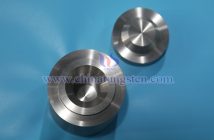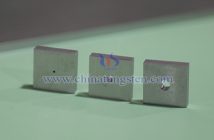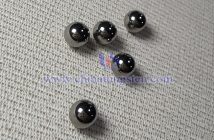
Cemented carbide water pump sealing components are made of cemented carbide material and are key sealing components used to prevent liquid or gas leakage within water pumps. They typically consist of a rotating ring, a stationary ring, and an auxiliary sealing structure, and are widely used in centrifugal pumps, compressors, and other rotating machinery.
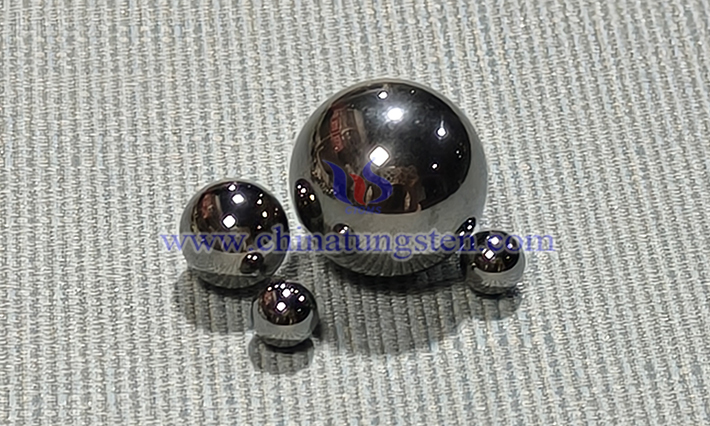
I. Material Properties of Cemented Carbide Water Pump Sealing Components
High Hardness and Wear Resistance: Hardness can reach 20 times that of high-speed steel, effectively resisting the erosion and wear of particles in the medium, extending seal life.
High Temperature and Corrosion Resistance: Low coefficient of linear expansion and low coefficient of friction, able to withstand harsh conditions such as high temperature, strong acid, and strong alkali, especially suitable for conveying corrosive media.
High Strength and Deformation Resistance: High mechanical strength, able to withstand stress generated by high pressure and vibration, maintaining stable contact of the sealing surface.
II. Structural Composition of Cemented carbide Water Pump Sealing Components
Rotating Ring: Rotates with the pump shaft. Made of cemented carbide (e.g., YG6 grade), it requires high wear resistance and self-lubricating properties to reduce frictional loss with the stationary ring.
Stationary Ring: Fixed to the pump body, forming the main sealing surface with the rotating ring. It is typically made of graphite, ceramic, or cemented carbide, and must ensure a precise fit with the rotating ring.
Elastic Element: Such as a helical spring or metal bellows, it provides axial pressure, ensuring tight contact of the sealing surfaces and compensating for gaps caused by wear.
Auxiliary Sealing Rings: Use O-rings, V-rings, etc., to prevent media leakage from the gaps between the stationary ring and the pump body, and between the rotating ring and the shaft. They are typically made of fluororubber or polytetrafluoroethylene.
III. Functions of Cemented carbide Water Pump Sealing Components
Leakage Prevention: Through the precise fit between the rotating and stationary ring end faces, a dynamic sealing interface is formed, preventing liquid or gas leakage along the pump shaft.
Resistant to High Pressure and Vibration: The high strength of cemented carbides allows them to withstand high-pressure conditions while resisting stress caused by component movement or vibration, preventing seal failure.
Adaptable to Harsh Media: Corrosion resistance enables the transport of media containing particles, strong acids, and strong alkalis, reducing seal damage caused by media corrosion.
Extended Equipment Lifespan: Reduces impeller and pump casing wear, lowers equipment failure rate due to seal failure, and improves overall operational reliability.
IV. Application Scenarios of Cemented Carbide Pump Seals
Centrifugal Pumps: For pumps such as circulating pumps, condensate pumps, and feed water pumps, cemented carbide sealing rings effectively prevent leakage when transporting hot water or corrosive liquids.
Compressors: During high-pressure gas compression, cemented carbide sealing components withstand gas pressure and vibration, ensuring seal stability.
Reaction Vessels and Agitators: In chemical production, when transporting highly corrosive media, cemented carbide sealing components ensure long-term stable operation of the equipment.