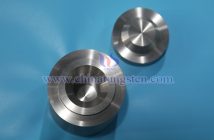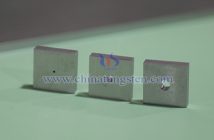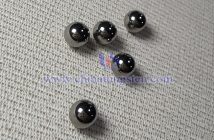
Cemented carbide calibration balls for precision electronic instruments are high-precision spheres made of cemented carbide (mainly composed of tungsten carbide (WC) and cobalt (Co) binders, produced using powder metallurgy). They are specifically designed for the calibration and verification of precision electronic instruments, metrology equipment, or measurement systems.
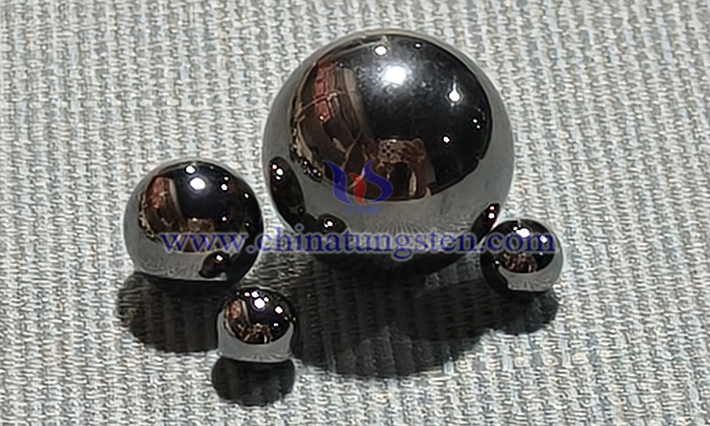
1. Characteristics of Cemented Carbide Calibration Balls for Precision Electronic Instruments:
High hardness, typically reaching HRA 89-92, wear-resistant and deformation-resistant.
Low coefficient of thermal expansion, excellent dimensional stability.
High precision, roundness and diameter tolerances can reach G5-G10 or higher, excellent surface finish.
Corrosion resistant, suitable for harsh environments.
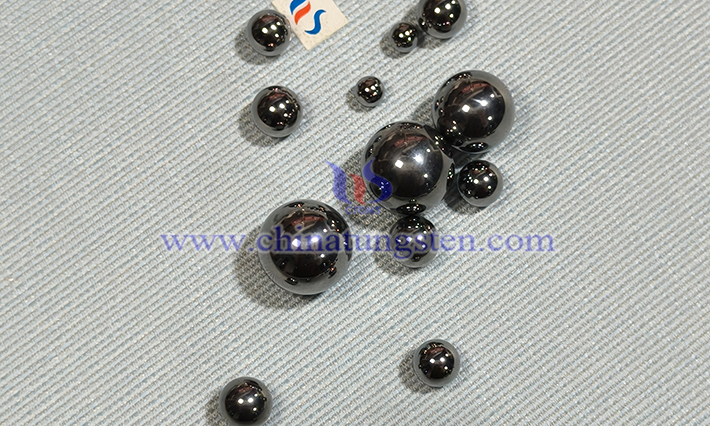
2. Applications of Cemented Carbide Calibration Balls in Precision Electronic Instruments
As standard reference balls, they are used to calibrate the position and accuracy of probes/probes in coordinate measuring machines (CMMs), probe systems, machine tool probes, optical measuring instruments, or precision electronic instruments.
In electronics manufacturing, semiconductor testing, and precision metrology instruments, they ensure the repeatability and accuracy of measuring equipment (e.g., calibrating probe ball center coordinates, ball diameter compensation).
They are also used in high-precision bearings, instrument components, or hardness tester indenters, but calibration balls are specifically for metrological calibration purposes.
CTIA GROUP and its parent company, Chinatungsten Online, have been deeply involved in the tungsten and molybdenum products industry for nearly 30 years, specializing in flexible global customization services for tungsten and molybdenum products. They can customize and process tungsten and molybdenum products of various specifications, performances, sizes, and grades according to customer needs. Detailed information on various cemented carbide products can be found at: www.tungsten.com.cn.