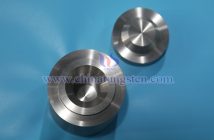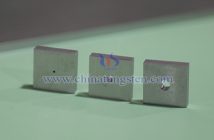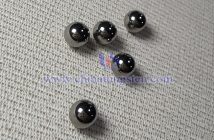
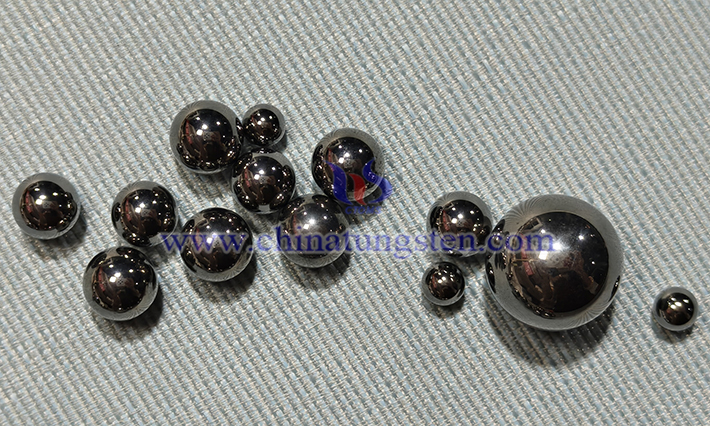
The core advantages of cemented carbide calibration balls stem from their high hardness, excellent dimensional stability, and extremely long service life. These characteristics make them an irreplaceable choice in precision measurement, especially as a metrological traceability standard.
I. Material Properties of Cemented Carbide Calibration Balls
1.1 Ultra-high Hardness and Wear Resistance: Cemented carbide calibration balls are primarily made of tungsten carbide (WC) and cobalt (Co) binders sintered using powder metallurgy, resulting in extremely high hardness, far exceeding that of ordinary steel balls. This minimizes wear during frequent contact with the probe.
1.2 Excellent Dimensional Stability: Cemented carbide materials have a low coefficient of thermal expansion and high density (approximately 14.9 g/cm3), meaning that the calibration ball's dimensions remain almost unchanged under environmental temperature changes or external forces, maintaining geometric stability over a long period.
1.3 Excellent Corrosion Resistance: Cemented carbide calibration balls are not easily oxidized or rusted, and can adapt to relatively harsh industrial environments such as humidity and acid/alkali conditions, while ordinary steel balls may suffer from corrosion.
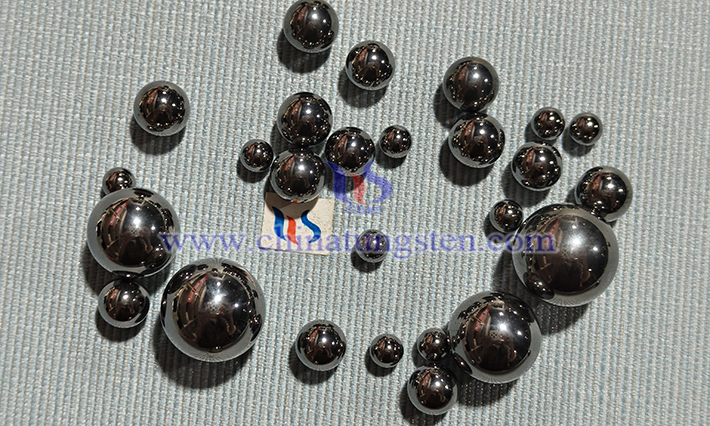
II. Advantages of Cemented Carbide Calibration Balls in Practical Applications
2.1 Establishing a Reliable and Long-Term Metrological Standard: Due to its extremely high dimensional stability, cemented carbide balls have minimal errors in diameter and sphericity, providing a long-term reliable and accurate calibration standard for equipment such as coordinate measuring machines, roundness testers, and laser trackers.
2.2 Improving Measurement Accuracy and Repeatability: Its surface can be machined to achieve extremely high sphericity and extremely low surface finish, resulting in a near-perfect geometric sphere. This not only reduces the impact of its own shape errors on calibration results, but its smooth surface also makes it ideal for calibrating surface roughness testers or serving as a high-reflectivity target for optical measurement equipment.
2.3 Reducing Long-Term Usage Costs: Although the initial purchase cost of cemented carbide balls is higher than that of steel balls, their extremely long service life avoids the costs of frequent replacement or recalibration due to standard wear. Simple moisture-proof storage allows for long-term maintenance, achieving higher overall economic benefits.
2.4 Ensuring Consistency of Measurement Results: Due to its extremely slow wear, it maintains consistent dimensions and performance throughout its entire lifespan. This ensures that equipment calibrated with it yields comparable and reliable results across different times and batches, providing crucial support for the stability of manufacturing quality control systems.