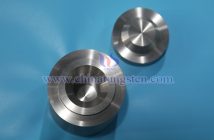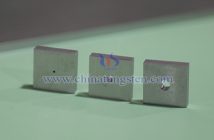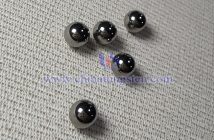
Cemented carbide calibration balls are mainly used as reference standard balls in precision measuring instruments (such as coordinate measuring machines, CMMs) for probe calibration, gauge inspection, and hardness testing. Their main features are as follows:
Extremely High Hardness: Hardness typically reaches HRA 90.5 or higher (close to diamond), far exceeding that of steel balls. This maintains a sharp contact surface, resists deformation and indentation, and ensures long-term measurement accuracy.
Excellent Wear Resistance: Minimal wear under frequent friction and contact, resulting in a long service life. Suitable for high-precision repeated calibration, avoiding errors caused by wear.
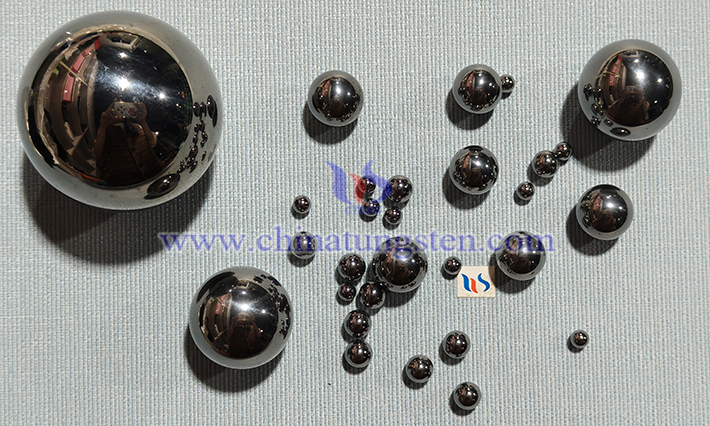
Strong Dimensional Stability: Low coefficient of thermal expansion, maintaining stable shape and size under varying temperature conditions; good rigidity with no significant plastic deformation, suitable for precision metrology.
Corrosion Resistance: Especially Ni-based alloys, exhibit strong resistance to corrosive media such as acids and alkalis, suitable for harsh chemical environments (such as hydrochloric acid laboratories or petrochemical plants).
High density: Approximately 14.5-15.0 g/cm3, uniform weight, contributing to stable support and impact resistance.
High-precision machining: Achieves extremely high roundness and surface finish (G3-G25 grade), with minimal spherical error and diameter variation, ensuring calibration reliability.
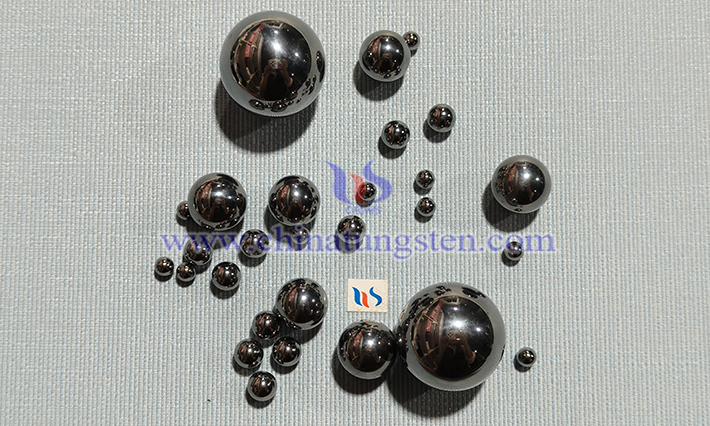
Other advantages: Impact resistant, bending resistant, high temperature resistant (hardness remains essentially unchanged below 500℃), slightly magnetic, convenient for certain applications.
These features make cemented carbide calibration balls superior to ceramic or steel balls, especially in metrology fields requiring long-term durability and high precision, such as instrumentation, bearing calibration, and flow meters.