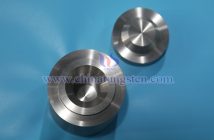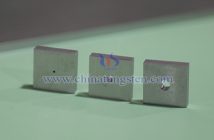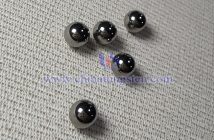
Cemented carbide valve balls are mainly composed of tungsten carbide (WC) hard phase and cobalt (Co) and other binder phases, manufactured using powder metallurgy. The cobalt content of cemented carbide valve balls is closely related to their performance. Cobalt acts as a binder, providing toughness and strength to the material, while also affecting hardness, wear resistance, and corrosion resistance.
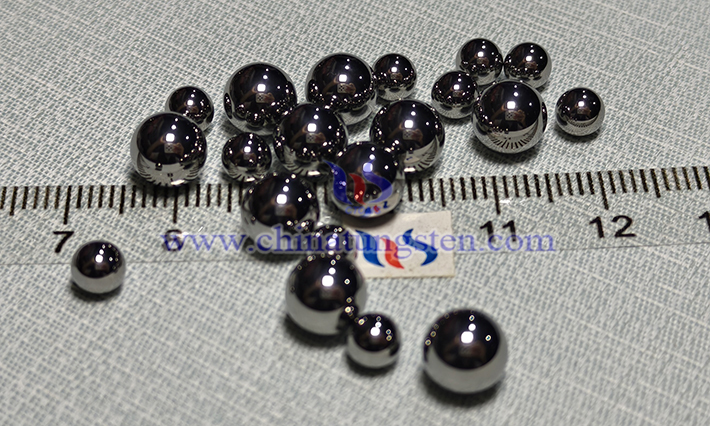
When the cobalt content is low (typically 6%-10%), the proportion of WC particles is higher, and the material hardness is significantly improved, reaching HRA 89-92 or higher. This makes the surface of the cemented carbide valve ball harder, with strong resistance to scratches and deformation, exhibiting excellent wear resistance in high-pressure, high-speed fluid environments. For example, in oil and gas valve applications, low-cobalt valve balls can effectively resist erosion and wear from sand and slurry, extending seal life and reducing the risk of leakage. Meanwhile, low-cobalt alloys have high compressive strength, making them suitable for heavy loads and impacts, but they are also more brittle and prone to microcracks under sudden impacts.
As the cobalt content increases (10%-18% or higher), the material's toughness improves significantly. The cobalt phase enhances plastic deformation capacity, improves bending strength and fracture toughness, making the cemented carbide valve ball more resistant to impact and fatigue. In harsh operating conditions containing corrosive media such as H?S, high-cobalt valve balls can better absorb stress, avoid brittle fracture, and ensure the reliability of valves under high-temperature and high-pressure cycles. However, hardness and wear resistance will decrease accordingly because the cobalt phase is softer and more prone to preferential wear during friction, leading to increased surface roughness.
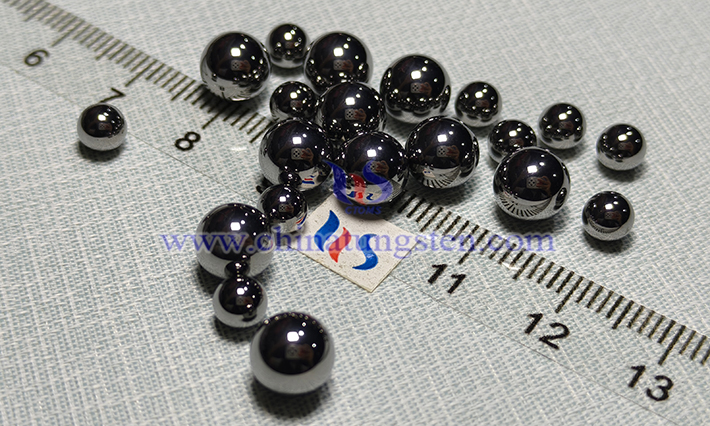
Regarding corrosion resistance, the effect of cobalt content on cemented carbide valve balls is more complex. Pure cobalt binder phases are easily corroded in acidic, alkaline, or oxidizing environments, but a moderate cobalt content (8%-12%) can form a uniformly distributed cobalt layer, improving overall chemical stability. In marine engineering or chemical valves, medium-cobalt valve balls often perform well, resisting chloride ion or sulfide corrosion. Excessive cobalt content may form "cobalt pools," accelerating localized corrosion; while insufficient cobalt content will reduce corrosion resistance due to exposure of the WC framework.