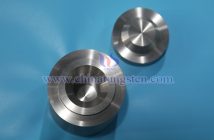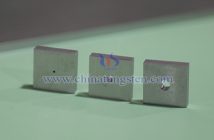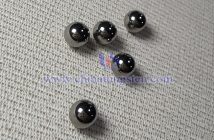
The combination of cemented carbide valve balls and stainless steel valve seats is a powerful solution designed to cope with extreme working conditions. It exhibits significant advantages in specific fields, but there are also clear technical challenges in adapting it.
1. Compatibility of Cemented Carbide Valve Balls and Stainless Steel Valve Seats
Carbide (often primarily tungsten carbide) possesses extremely high hardness, wear resistance, and erosion resistance. Stainless steel valve seats (such as 316L) provide good toughness, comprehensive mechanical properties, and corrosion resistance. Combining the two aims to enable the valve sealing pair to simultaneously achieve excellent wear life and a certain degree of structural reliability, especially suitable for slurry media containing solid particles (such as sand), or harsh environments with high pressure and high erosion.
2. Incompatibility between Cemented Carbide Balls and Stainless Steel Seats
Interface Corrosion: This is an inherent risk when joining dissimilar metals. Direct connection between carbide and stainless steel can lead to galvanic corrosion cells due to electrode potential differences in an electrolyte environment.
Elastic Deformation Matching: Under high pressure or high temperature, the ball and seat undergo complex elastic deformation. If the deformation of the carbide coating and the stainless steel seat is not synchronized, it may cause localized peeling of the sealing surface, resulting in leakage. This requires precise calculations for prediction and optimization during the design phase.
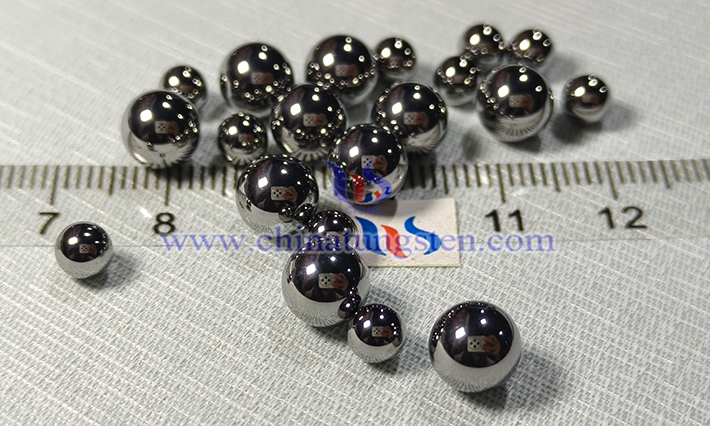
3. Compatibility Optimization of Cemented Carbide Balls and Stainless Steel Seats
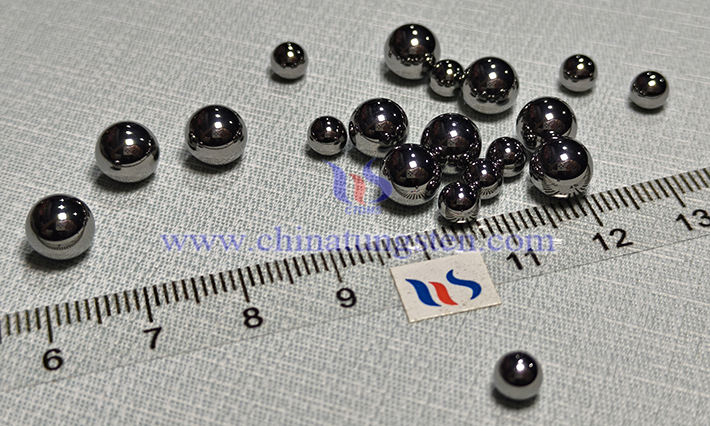
Advanced Connection Technology: Typically, solid carbide balls are not used; instead, surface hardening techniques are employed, such as spraying or overlaying tungsten carbide (WC) coatings onto the surface of a steel ball. For components requiring connection, special brazing techniques are used, and the brazing filler metal composition is optimized.
Strict Operating Condition Selection: The combination of cemented carbide balls and stainless steel seats primarily serve applications with abrasive wear, severe erosion, or high pressure. For media that are primarily highly corrosive (such as concentrated nitric acid), or for operating conditions that require frequent start-up and shutdown or have strict torque limitations, a more careful evaluation is required.