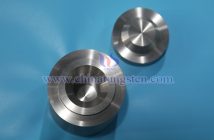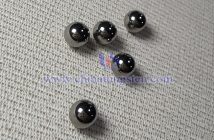
Cemented carbide valve balls themselves have excellent corrosion resistance, especially in resisting atmospheric, acid, alkali, salt corrosion and hydrogen sulfide (H?S) media. They are commonly used in corrosive environments such as oil and gas, chemical, and marine engineering, and can operate continuously for months without significant corrosion. Nevertheless, in extremely corrosive media (such as strong acids, wet chlorine, and high-concentration corrosive slurries), additional protective measures are still required.
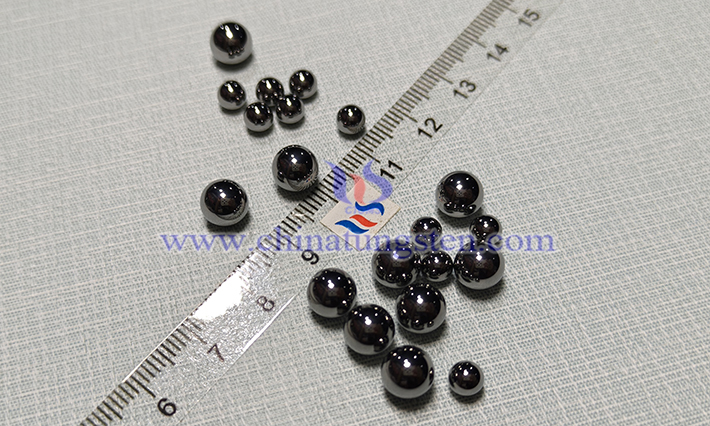
Corrosion Prevention Measures for Cemented Carbide Valve Balls
1. Surface Coating Treatment of Cemented Carbide Valve Balls
The most common and effective method for enhancing corrosion resistance is to apply a protective coating to the surface of the valve ball through thermal spraying. For example, (1) supersonic spraying of tungsten carbide can achieve a hardness of HRC 70 or higher, with high bonding strength, forming a dense layer that provides extremely strong wear resistance, corrosion resistance, and erosion resistance. Suitable for highly corrosive, particulate media, and resistant to high temperatures (450-1200℃) and high pressures (70-140 MPa). (2) Chromium carbide (Cr?C?) coatings are resistant to high-temperature oxidation and corrosion, and are suitable for high-temperature corrosive liquid or gas environments. (3) Other coatings such as nickel boron (NiBo) or tantalum coatings: used in specific acidic or chlorine environments, but porosity needs to be considered.
2. Optimization and alloying of Cemented Carbide valve ball materials
Select cemented carbide grades containing nickel (Ni) or titanium (Ti) binder phases (such as nickel-based WC) to further improve acid and alkali corrosion resistance. Adding rare elements (such as rhenium and ruthenium) to significantly improves acid corrosion resistance and reduces the rate of acid corrosion.
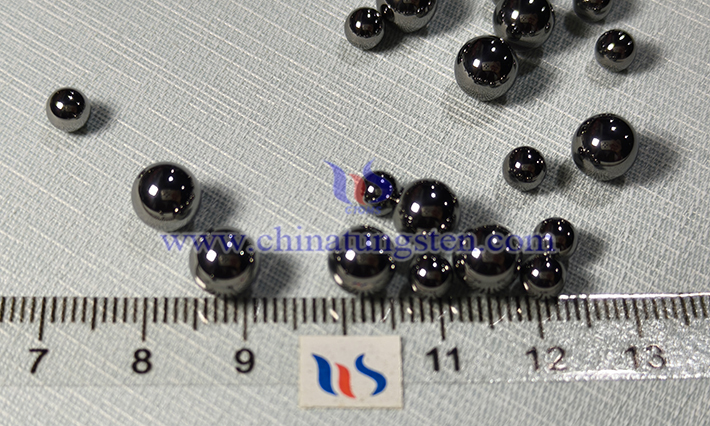
3. Avoid unfavorable processing methods
Avoid plasma nitriding or nitriding treatments, as although they increase hardness, they reduce corrosion resistance and are not suitable for highly corrosive fields. Avoid hard chrome plating, as it has low adhesion, is easy to peel off, and has been gradually phased out.
4. Operating Environment for Cemented Carbide Valve Balls
Consider the media type during design and select a suitable coating or use a ceramic valve ball (such as silicon carbide, SiC) as an alternative (ceramics offer better corrosion resistance but are harder and may not be suitable for all operating conditions).
5. Maintenance Measures for Cemented Carbide Valve Balls
Regularly clean the valve ball surface to prevent deposit accumulation from accelerating localized corrosion; add corrosion inhibitors (such as sodium nitrite) during pressure testing.