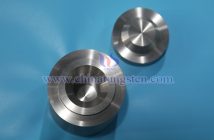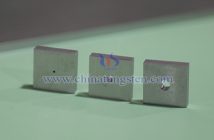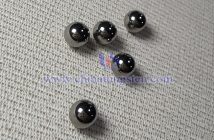
Cemented carbide valve balls offer superior performance, but regular maintenance is essential. To ensure stable operation and a long service life, comprehensive and detailed inspections and monitoring must be conducted regularly to promptly identify and address potential problems.
I. Daily Inspection and Monitoring of Cemented Carbide Valve Balls
Visual Inspection: Regularly check the valve ball surface for cracks, corrosion, wear, or deformation, paying particular attention to the sealing surface area. Check the clearance between the valve ball and the valve seat; excessive clearance may lead to leakage, requiring timely adjustment or replacement of the component.
Sealing Performance Test: With the valve closed, check for leaks at the sealing surface using a pressure test (e.g., kerosene penetration method). If leakage is found, analyze the cause (e.g., sealing surface wear, impurities stuck in the seal), and take appropriate measures.
Operational Flexibility Verification: Manually rotate the valve ball to ensure smooth operation without jamming, avoiding forced operation that could damage the valve stem or ball. For electric or pneumatic valves, check the operating status of the actuator (such as the motor or cylinder) to ensure that the stroke and torque meet the requirements.
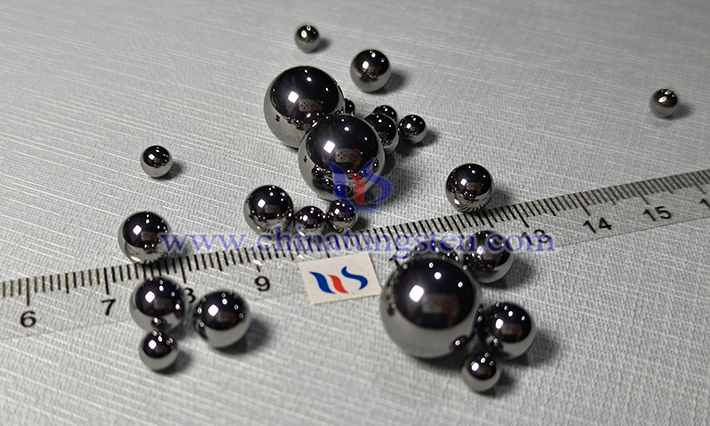
II. Cleaning and Impurity Management of Cemented Carbide Valve Balls
Regular Cleaning: After disassembling the valve, use a specialized cleaner or purified water to clean the valve ball, seat, and internal flow channels to remove media residue, rust, and dirt. Avoid using highly corrosive chemicals to prevent damage to the carbide surface.
Media Filtration: Install a filter before the valve to intercept impurities (such as particles and sand) in the media, reducing wear on the valve ball and seat. Regularly drain condensate and impurities from the pipes before and after the valve to prevent accumulation that could affect valve performance.
Contamination Prevention Measures: During assembly, ensure that the surfaces of parts are free of metal shavings, fibers, grease, and other impurities to prevent contamination of the sealing surface or entry into the internal cavity. After cleaning, allow the cleaning agent to completely evaporate before reassembly to avoid residue that could lead to corrosion or seal failure.
III. Lubrication and Corrosion Prevention of Cemented Carbide Valve Balls
Key Component Lubrication: Regularly apply specialized grease (such as lithium-based grease or high-temperature corrosion-resistant grease) to rotating parts such as valve stems and bearings to reduce friction and wear. The lubrication frequency should be adjusted according to the operating environment; generally, lubrication every 6 months is recommended, but more frequently may be necessary for valves used at high frequencies.
Corrosion Prevention: For corrosive media environments, select corrosion-resistant carbide materials or apply an anti-corrosion coating to the valve. When the valve is not in use for an extended period, keep it fully open or fully closed and apply rust-preventive oil to protect the sealing surfaces and prevent rust or corrosion.
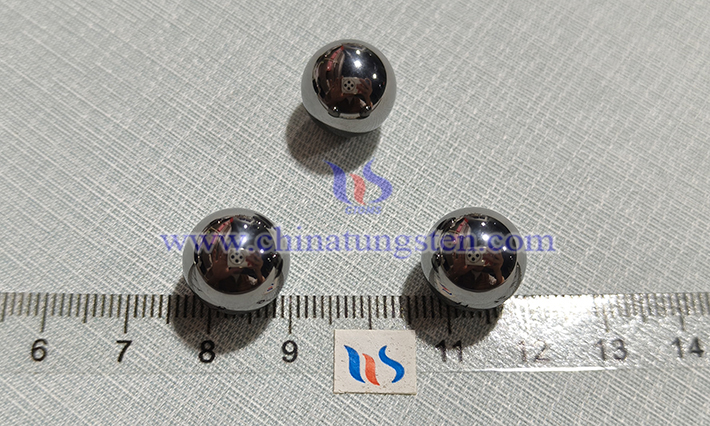
IV. Cemented Carbide Valve Ball Seal Maintenance and Replacement
Seal Inspection: Inspect soft seals (such as PTFE) for aging every 2-3 years. Inspect hard seals (metal) for scratches or wear. If hardening, deformation, or damage is found, replace the seal immediately with a matching specification and material.
Seal Surface Repair: Slightly worn sealing surfaces can be repaired by grinding; severely damaged surfaces require replacement of the valve ball or seat. When replacing seals, ensure the mounting groove surface is clean and apply a thin layer of grease to enhance the sealing effect.
V. Cemented Carbide Valve Ball Operation Specifications and Condition Management
Avoid overload operation: Do not exceed the valve's specified pressure and temperature range to prevent deformation or cracking of the valve ball or seat due to overload. Avoid frequent opening and closing or excessive force to reduce impact on the sealing surface.
Operating condition adaptability: Select appropriate valve materials and structures according to the properties of the medium (e.g., corrosiveness, abrasiveness). For high-temperature, high-pressure, or high-frequency applications, shorten the maintenance cycle (e.g., check every six months) to ensure valve reliability.
VI. Cemented Carbide Valve Ball Storage and Handling
Storage environment: Store valves in a dry, ventilated place, avoiding direct sunlight and humid environments. Prevent valves from impacts or compression to avoid damage to the valve ball and sealing surface.
Long-term inactivity handling: Remove vulnerable parts (e.g., asbestos packing) and store them separately to avoid electrochemical corrosion. When storing outdoors, cover with a rainproof cloth to protect the valve from severe weather.
VII. Recommended Maintenance Cycle for Cemented Carbide Ball Valves
Under normal operating conditions, a comprehensive maintenance inspection should be performed every 1-2 years. Under harsh operating conditions (such as high temperature, high pressure, or corrosive media), maintenance should be performed every 6 months to 1 year. Critical valve components (such as emergency shut-off valves in nuclear power plants and chemical production) should undergo rigorous inspection every 1-3 months.