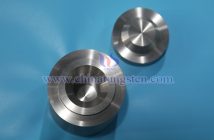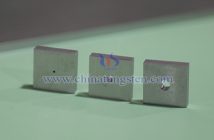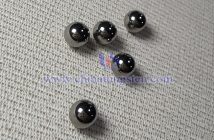
In high-pressure wellhead operations, cemented carbide ball valves, with their superior tolerance to extreme working conditions, become a core component ensuring the reliability and safety of gate valves.
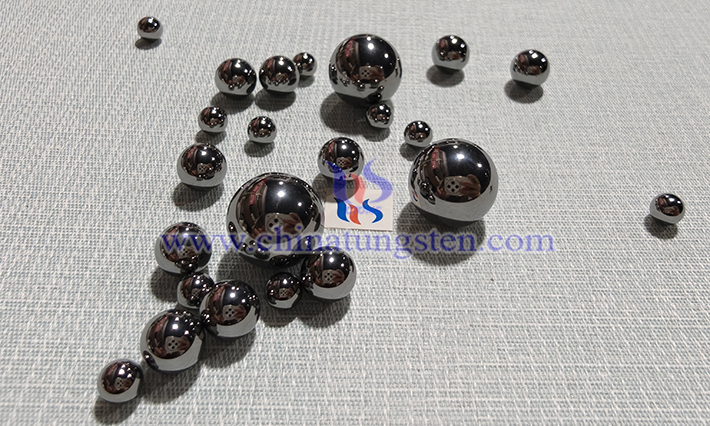
1. The Role of Cemented Carbide Ball Valves in High-Pressure Wellhead Gate Valves
1.1 As a Core Sealing Pair: The ball valve and seat mate to form a metal-to-metal hard seal. This sealing pair must undergo precision mating and grinding to achieve extremely high surface finish and fit, achieving a zero-leakage or micro-leakage sealing level under ultra-high pressure.
1.2 Achieving Bidirectional Pressure-Bearing Sealing: Cemented carbide ball valves are typically designed with bidirectional sealing capabilities, meaning that regardless of which side of the valve the medium flows into, it can reliably cut off the flow. This is crucial for wellhead safety.
1.3 Withstands High Pressure Differential During Opening and Closing: When the valve is closed, the valve ball must withstand the huge pressure difference between the inlet and outlet. The high compressive strength of cemented carbide ensures that the ball will not crush or deform under high pressure differential, while advanced valve seat designs such as "pressure self-balancing" can achieve a tighter seal with increasing media pressure, reducing operating torque.
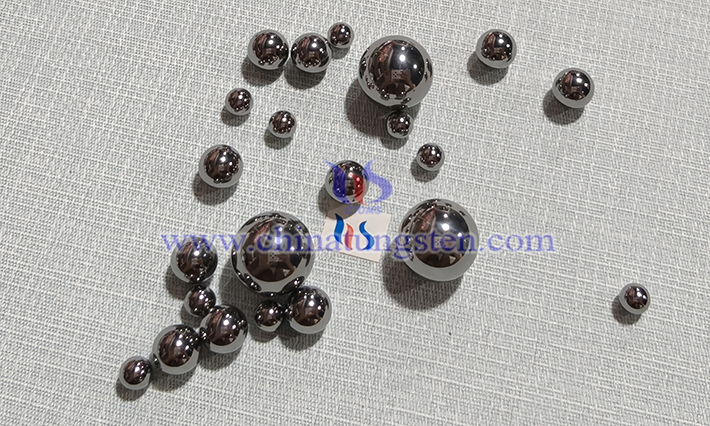
2. Advantages of Cemented Carbide Valve Balls in High-Pressure Wellhead Gate Valves
2.1 Superior Material Properties
Traditional steel has lower cost and mature technology, but its hardness and wear resistance are relatively insufficient, and it wears quickly in abrasive media such as those containing sand. Engineering ceramics have high hardness and excellent wear and corrosion resistance, but they are brittle and have weak resistance to mechanical and thermal shock, making them prone to breakage under high pressure and water hammer conditions. Cemented carbide achieves the best balance between hardness, toughness, and corrosion resistance. Its hardness can typically reach HRA 90 or higher, and its wear resistance is dozens of times that of high-quality alloy steel. At the same time, cobalt and other metal binders provide sufficient toughness to resist high pressure impact.
2.2 Strong Adaptability to Extreme Environments
Extreme Pressure and Particle Erosion: Wellhead pressures can exceed 69 MPa (approximately 10,000 psi), and the medium often contains sand and drill cuttings. The unparalleled hardness and wear resistance of the cemented carbide valve ball effectively resists solid particle erosion under such high pressure, which is crucial for ensuring long-term sealing.
Corrosive Media: Oil and gas may contain hydrogen sulfide (H?S), carbon dioxide (CO?), chloride ions, etc. The excellent chemical stability of the cemented carbide valve ball effectively resists these corrosive substances, preventing seal failure or sudden breakage due to corrosion.
Temperature Fluctuations and Stress: Temperature variations are significant from the high temperatures of deep wells to the surface environment. The cemented carbide valve ball has a low coefficient of thermal expansion and good thermal stability, reducing thermal stress and maintaining the fitting accuracy of the sealing pair.