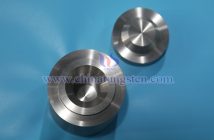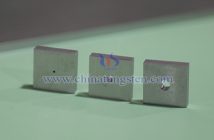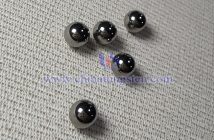
Cemented carbide, typically a composite material made using powder metallurgy with tungsten carbide as the matrix and metals such as cobalt as the binder phase, excels in extremely harsh chemical environments. Cemented carbide valve balls play a crucial role in chemical valves, offering significant performance advantages.
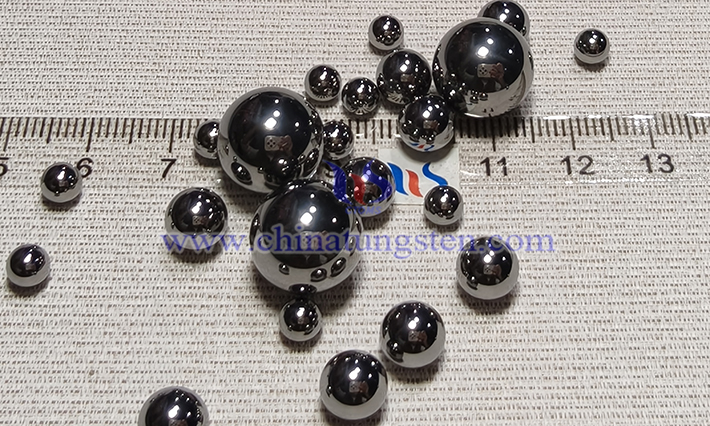
1. Excellent Wear Resistance
Chemical media often contain solid particles, crystals, or have high abrasiveness. Ordinary material valve balls wear rapidly in such environments, leading to decreased sphericity and loss of surface smoothness, resulting in incomplete valve closure and increased leakage. Cemented carbide valve balls, with extremely high hardness, second only to diamond, effectively resist particle cutting and erosion, greatly extending the valve's service life under abrasive conditions and ensuring long-term stable sealing performance.
2. Excellent Corrosion Resistance
Chemical processes involve a wide variety of acids, alkalis, salts, and other corrosive chemicals. Cemented carbide, especially carefully formulated tungsten carbide-cobalt alloy, exhibit extremely strong resistance to most inorganic acids, alkalis, and organic media, and their chemical properties are very stable. This prevents pitting, rusting, or material changes on the valve ball surface due to corrosion, thus preventing seal failure and media contamination caused by corrosion.
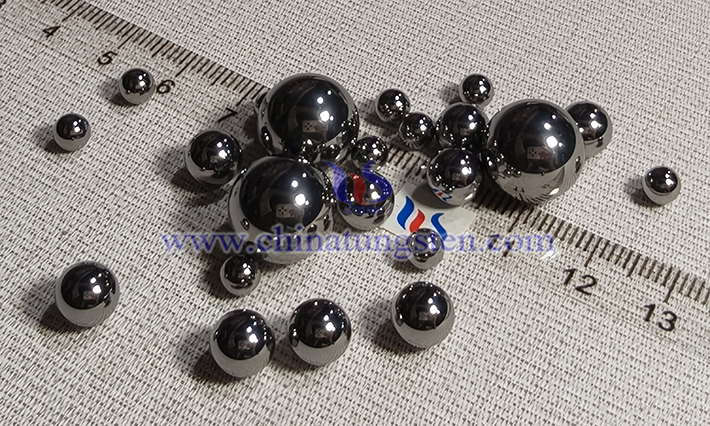
3. Extremely High Strength and Pressure Resistance
Chemical valves may withstand high pipeline pressures, mechanical stress from frequent opening and closing, and potential water hammer effects. The compressive and bending strength of cemented carbide valve balls far exceeds that of conventional steel and ceramics, making the valve ball less prone to plastic deformation or breakage even under high pressure. This rigidity ensures that the ball maintains its precise spherical geometry even after long-term use, which is the physical basis for reliable sealing.
4. Stable Thermal Properties
Many chemical processes involve high or low temperatures. Cemented carbide valve balls possess a low coefficient of thermal expansion and excellent thermal conductivity. This means that the size of the valve ball changes relatively little during drastic temperature fluctuations, reducing the risk of jamming or leakage due to inconsistent thermal expansion and contraction between the ball and valve seat. Simultaneously, they maintain high hardness at high temperatures (good red hardness) and do not soften rapidly with increasing temperature.
These performance advantages of cemented carbide valve balls bring direct benefits to chemical systems: extremely high operational reliability, reducing unplanned shutdowns due to valve internal leakage or failure; extremely long maintenance intervals, significantly reducing spare parts replacement frequency and maintenance costs; excellent sealing durability, helping to achieve stringent leakage control standards and meet environmental and safety regulations; and broad media compatibility, enabling a single type of valve to handle more complex fluids, simplifying equipment selection and inventory management.