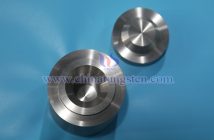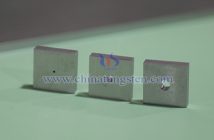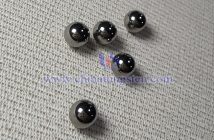
Material selection for cemented carbide valve balls in high-temperature valves requires comprehensive consideration of core indicators such as high-temperature performance, wear resistance, corrosion resistance, and thermal stability. Generally, cobalt-based alloys (tungsten-cobalt alloys) are preferred, with the cobalt content designed specifically according to actual operating conditions.
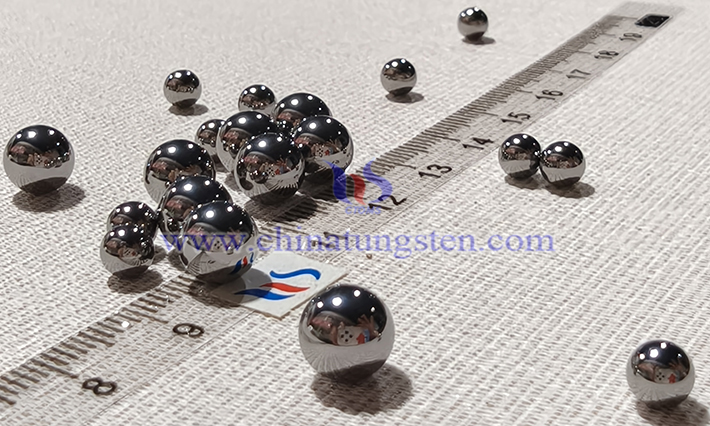
Carbide is sintered using high-hardness carbides such as tungsten carbide (WC) and titanium carbide (TiC) as the matrix, bound by binders such as cobalt (Co) and nickel (Ni). Its high-temperature hardness gradually decreases with increasing temperature, but thermal stability can be significantly improved through optimized composition design. For example, adding complex carbides (such as WC-TiC-Co alloys) can form a solid solution to strengthen the carbide framework, allowing the alloy to maintain high hardness above 800℃, while the hardness of single carbide alloys decreases more rapidly at this temperature. In high-temperature valve applications, cemented carbide valve balls must withstand the combined effects of media erosion, thermal stress, and chemical corrosion. Cobalt-based cemented carbide, due to its excellent wear resistance, thermal fatigue resistance, and corrosion resistance, is the preferred choice for high-temperature conditions. Its cobalt-based binder phase forms a dense oxide film at high temperatures, effectively preventing oxygen penetration, while the hard skeleton of carbide particles provides wear-resistant support.
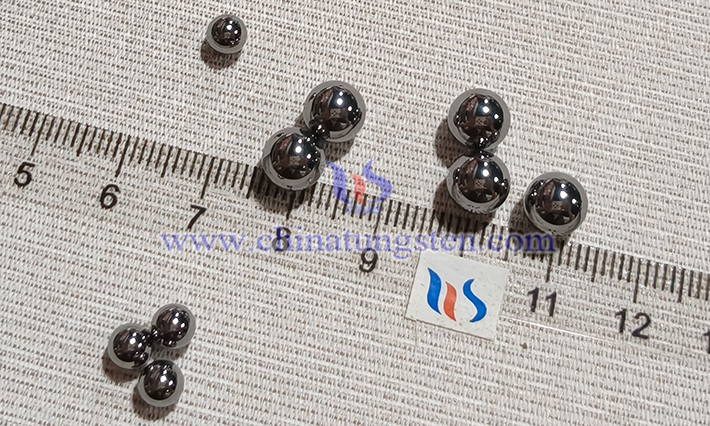
However, for sulfur-containing media (such as H?S environments), nickel-based cemented carbide with stronger sulfur resistance should be selected. The nickel element inhibits sulfide formation and extends the valve ball's lifespan.
The surface treatment process of the valve ball is also crucial for improving high-temperature performance. High-velocity vapor deposition (HVOF) technology can form a uniform tungsten carbide coating on the valve ball surface, achieving a hardness of HRC70 or higher, significantly enhancing wear resistance; while physical vapor deposition (PVD) technology is suitable for preparing nanoscale cemented carbide films, further improving the surface hardness and corrosion resistance of cemented carbide valve balls. In extreme high-temperature scenarios (such as supercritical boiler feedwater systems), a composite structure of P91 steel matrix and cobalt-based cemented carbide valve ball is required. The difference in thermal expansion coefficient is balanced through material gradient design to avoid sealing failure caused by thermal stress.