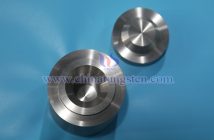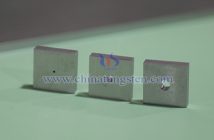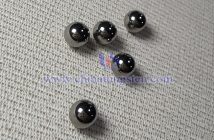
Tungsten copper electrodes and pure copper electrodes exhibit distinctly different characteristics in material constitution and performance, thus forming their respective distinct application fields. CTIA GROUP LTD tungsten copper electrode is a typical pseudo-alloy composite material consisting of a high-melting-point tungsten particle skeleton and copper phase network. This structure allows it to significantly improve hardness, ablation resistance, and high-temperature stability while maintaining certain electrical and thermal conductivity, whereas pure copper electrodes are weaker in these aspects. Pure copper electrode is high-purity oxygen-free copper or deoxidized copper, with a single face-centered cubic copper phase structure, possessing excellent electrical and thermal conductivity and good room-temperature plasticity, convenient for processing and forming, capable of obtaining arbitrary shapes through cold/hot rolling, drawing, or machining.
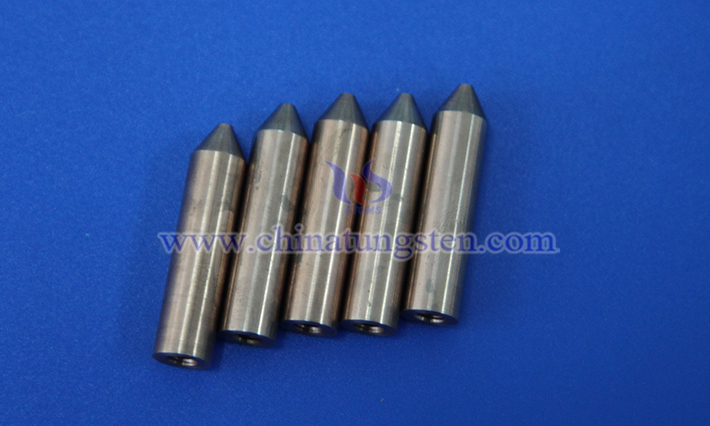
In addition, a direct comparison of Tungsten Copper Electrodes and pure copper electrodes reveals obvious contrasts in arc ablation resistance, high-temperature performance, mechanical properties, and durability. In comparison with pure copper electrodes—which tend to experience severe melting and uneven ablation under arc action—Tungsten Copper Electrodes effectively constrain copper phase melting through the support of tungsten particles, resulting in a fine and uniform ablation morphology, reducing large-area welding and material loss, and maintaining better contact surface stability. In terms of high-temperature softening, Tungsten copper electrodes benefit from the high-melting-point tungsten skeleton, maintaining shape and strength in higher temperature environments, with relatively uniform thermal stress distribution. Pure copper electrodes are prone to local melting under arc action, quickly forming pits or adhesion on the surface, with obvious material transfer phenomenon. Pure copper electrodes have a lower softening temperature and are easily deformed under continuous thermal load.
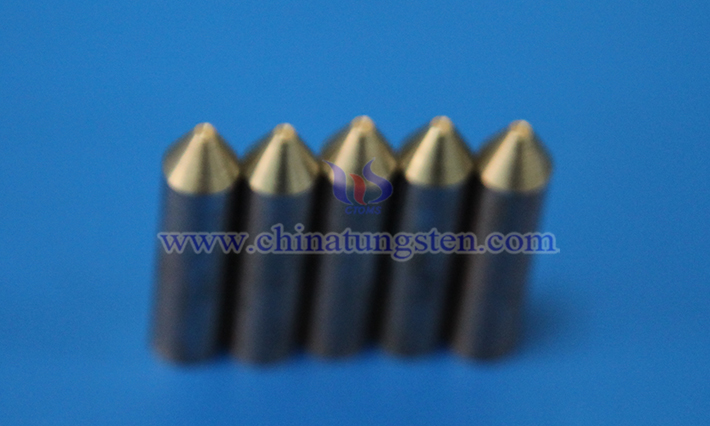
In terms of mechanical properties and durability, the composite structure of CTIA GROUP LTD tungsten copper electrodes significantly improves hardness and deformation resistance, suitable for occasions bearing higher mechanical loads, with more durable shape retention during use and lower maintenance frequency. Pure copper electrodes have good room-temperature plasticity but lower hardness, easily producing deformation or wear under mechanical stress or friction. Overall, Tungsten copper electrodes have more advantages in ablation resistance, high-temperature resistance, and mechanical stability, suitable for resistance welding electrodes, medium-high voltage vacuum switches, and EDM electrodes; pure copper electrodes excel in electrical and thermal conductivity and initial contact performance, mostly used for ordinary spot welding, plastic molds, or low-voltage small-current switches.