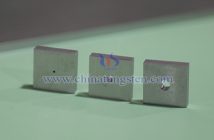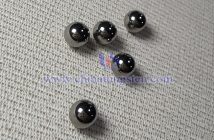
CTIA GROUP LTD tungsten copper electrode is a composite material with high-melting-point tungsten particles as the skeleton and copper phase filling the gaps to form a pseudo-alloy structure, with the two phases basically immiscible, usually prepared through infiltration process. Chromium-zirconium copper electrode is a copper-based alloy with trace chromium and zirconium elements added to pure copper, improving performance through solid solution strengthening and aging precipitation, with a uniform copper-based solid structure.
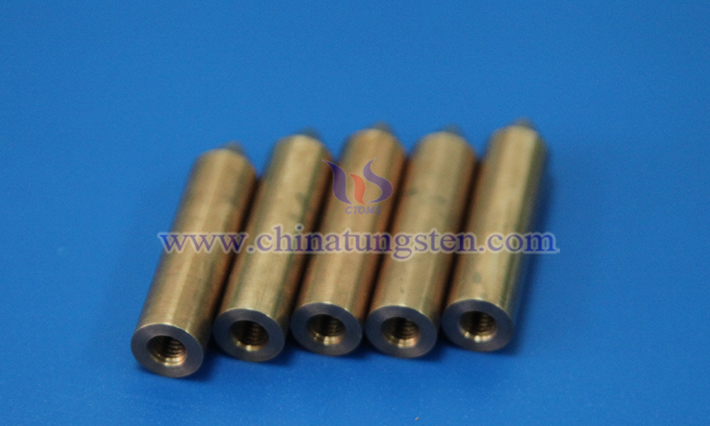
A direct comparison of tungsten copper electrodes and chromium zirconium copper electrodes reveals striking differences in material composition and structural design, which in turn shape their distinct performance characteristics and application tendencies. Chromium zirconium copper electrodes have higher electrical and thermal conductivity and good room-temperature plasticity, with relatively simple processing and forming, capable of obtaining various shapes through cold/hot rolling or extrusion. Tungsten copper electrodes maintain certain electrical and thermal conductivity while significantly improving hardness and ablation resistance, whereas chromium zirconium copper electrodes are relatively moderate in these aspects, relying more on the strengthening effect of alloy elements.
In terms of arc ablation resistance and anti-welding performance, the differences between tungsten copper electrodes and chromium zirconium copper electrodes mainly stem from the introduction of refractory phases and the stability of conductive phases. Chromium Zirconium Copper Electrodes are prone to local melting under arc high temperature, with faster softening and deformation of the contact surface, leading to higher material transfer and welding tendency. Tungsten copper electrodes rely on the support of the tungsten skeleton; even if the copper phase melts locally, it can be effectively constrained by tungsten particles, resulting in fine and uniform ablation morphology, reducing large-area welding and material loss. In resistance welding or medium-high voltage interruption environments, Tungsten copper electrodes maintain relatively stable shape, while chromium zirconium copper electrodes are more suitable for low-voltage light-load occasions, with lower initial contact resistance and more uniform thermal stress distribution. The high-temperature softening resistance of the two electrodes also differs: chromium-zirconium copper maintains strength through precipitation phase pinning dislocations but has a lower softening temperature; Tungsten copper electrodes benefit from the high melting point support of tungsten, showing stronger overall stability at higher temperatures.
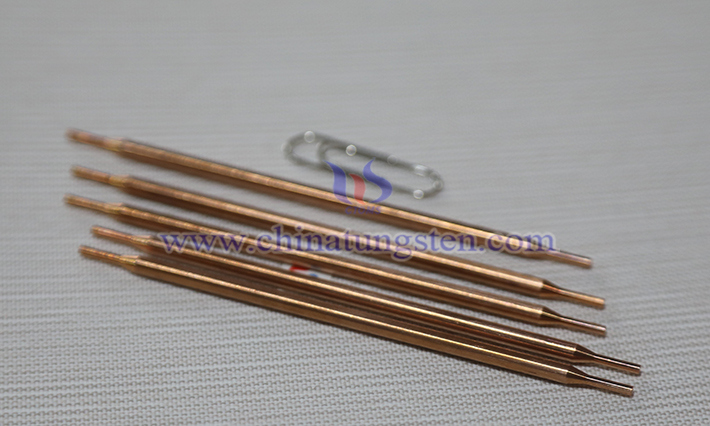
From the perspectives of machinability, economy, and application scope, tungsten copper electrodes and chromium zirconium copper electrodes each have adapted scenarios. Chromium zirconium copper electrodes have mature manufacturing processes, lower raw material costs, and are easy for large-scale production, suitable for occasions with high conductivity requirements and relatively mild ablation loads, such as ordinary spot welding or plastic mold electrodes. The preparation process of CTIA GROUP LTD tungsten copper electrodes is relatively complex with higher initial investment, but their long life and low maintenance frequency make the comprehensive use cost more advantageous in heavy-load conditions, especially occupying a place in applications requiring a balance of ablation resistance, high-temperature resistance, and stability.