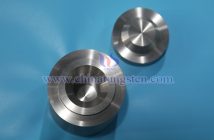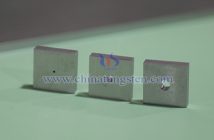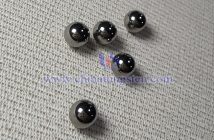
Cemented carbide bearing balls, thanks to their unique material properties, exhibit significant advantages in high-speed rotation scenarios, becoming a key component in high-end equipment manufacturing. Their core material uses tungsten carbide (WC) as the hard phase and cobalt (Co) as the binder phase, forming a dense structure through powder metallurgy. This results in a combination of high hardness (HRA90-92) and wear resistance, with wear resistance reaching dozens of times that of traditional steel balls. This characteristic allows them to effectively resist frictional wear during high-speed operation, extending bearing life and reducing equipment downtime for maintenance.
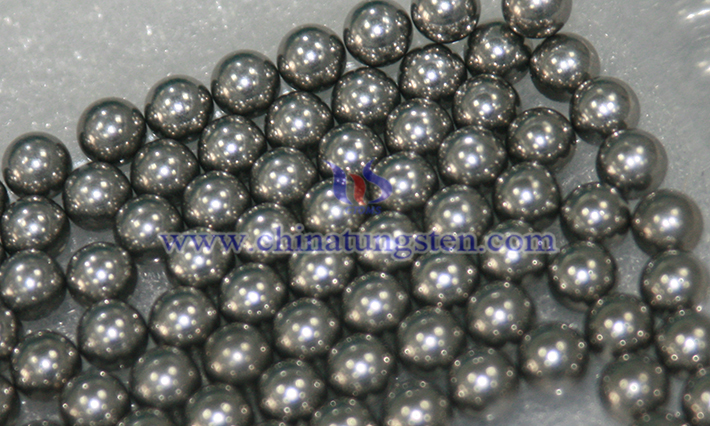
In high-speed rotation scenarios, the anti-adhesive wear capability of cemented carbide balls is particularly outstanding. The synergistic effect of its hard and binder phases ensures surface hardness while reducing the coefficient of friction through the lubricating effect of cobalt, preventing material adhesion or surface peeling caused by high temperatures. For example, in aero-engine spindle bearings, cemented carbide balls can withstand extreme speeds of tens of thousands of revolutions per minute while resisting the erosion of high-temperature combustion gases, ensuring flight safety. In precision machine tool electric spindles, their high precision and fatigue resistance ensure stable machining accuracy at the micron level, meeting the demands of high-end manufacturing.
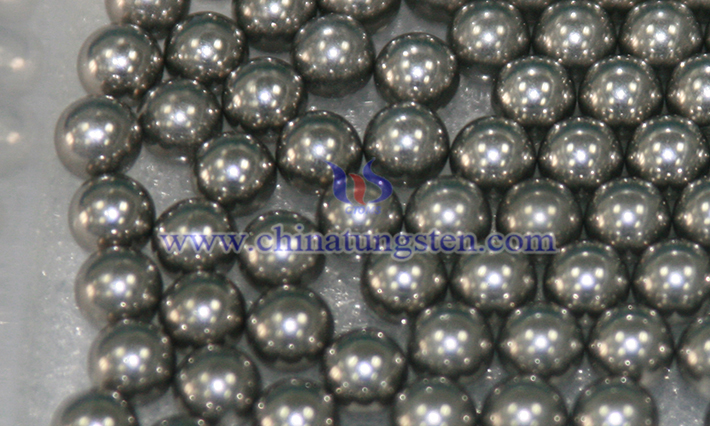
Furthermore, the chemical stability of cemented carbide bearing balls makes them suitable for corrosive environments. In chemical equipment, marine engineering, and other fields, their acid and alkali resistance can replace traditional steel balls, reducing the risk of failure caused by media corrosion. For instance, in oilfield pumping unit bearings, the wear resistance and corrosion resistance of cemented carbide balls significantly improve the reliability of equipment under harsh conditions such as sandstorms and salt spray.
With the advancement of Industry 4.0 and the "dual carbon" goal, the application scenarios of cemented carbide bearing balls are further expanding. In the new energy industry, the use of cemented carbide bearings in wind turbine gearboxes extends the maintenance cycle to three times that of traditional products, driving down the cost per kilowatt-hour. In the medical device field, their biocompatibility and ultra-smooth surface are applied to artificial joints, reducing wear rates and extending service life.