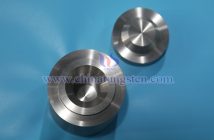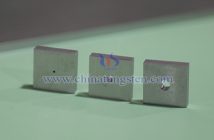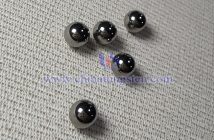
Cemented carbide balls are core components of sealing valves, widely used in high-pressure, high-temperature, or corrosive environments in the oil and gas, chemical, metallurgical, and aerospace industries. They are primarily made of tungsten carbide and cobalt binders through powder metallurgy, exhibiting superior performance far exceeding that of ordinary steel balls.
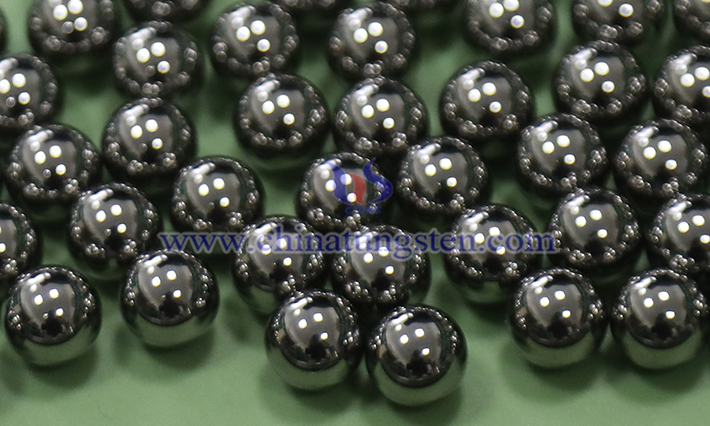
1. Material Advantages of Cemented Carbide Balls for Sealing Valves
High Hardness and Wear Resistance: Extremely high surface finish, resulting in minimal wear under long-term friction, ensuring the valve maintains its seal even after repeated opening and closing.
Corrosion Resistance: Virtually immune to acids, alkalis, salt spray, and various corrosive media, suitable for deep-sea oil production or acidic gas wells.
Thermal Stability: Dimensionally stable over a wide temperature range, preventing seal failure due to thermal expansion and contraction.
Low Coefficient of Friction: Low friction when mated with the valve seat, reducing switching torque and extending actuator life.
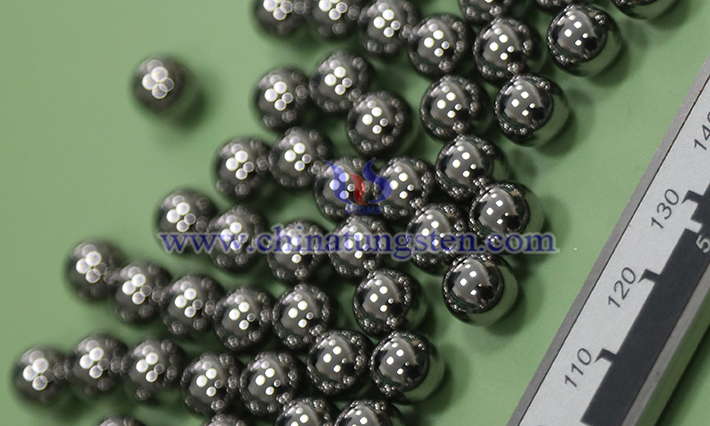
2. Manufacturing Process of Cemented Carbide Balls for Sealing Valves
The entire process includes isostatic pressing, vacuum sintering, precision grinding, ultrasonic cleaning, and magnetic particle testing. Strict control over ball diameter tolerances and sphericity ensures accuracy. Various common specifications are available, and surface coatings can enhance corrosion resistance.
3. Application Scenarios of Cemented Carbide Balls for Sealing Valves
In wellhead valves, cemented carbide balls, combined with metal sealing seats, withstand high pressure, offer long switching life, and have extremely low leakage rates. In cryogenic ball valves, modified cemented carbide balls can withstand liquid nitrogen impact without cracking. Toughening formulations are available for media containing solid particles. Compared to ceramic balls, carbide offers better cost-effectiveness. With the development of additive manufacturing technology, integrated molding of complex structures will be possible in the future. Currently, domestic companies have achieved import substitution and are exporting in large quantities.