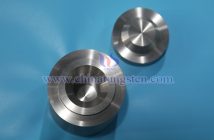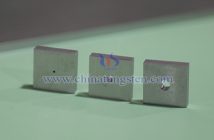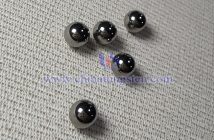
The hardness of tungsten carbide balls is a key determinant of wear resistance. High hardness generally results in excellent wear resistance, but a balance between hardness and toughness must be achieved by adjusting the composition, grain size, and binder phase ratio to suit different operating conditions. In practical applications, wear resistance is also affected by friction conditions, environment, and the mating material.
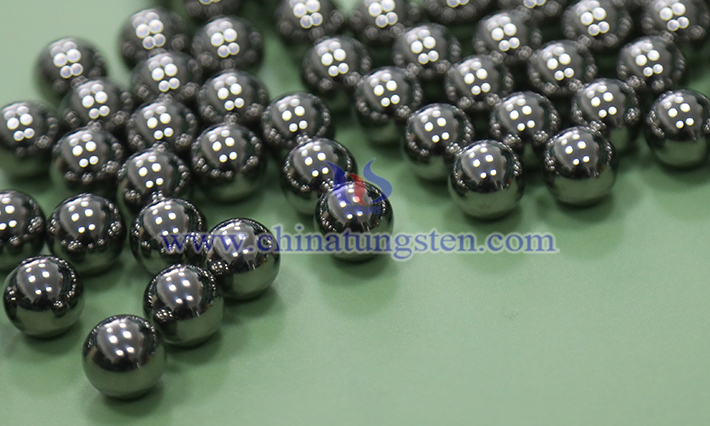
The relationship between the hardness and wear resistance of tungsten carbide balls is primarily reflected in the following aspects:
1. Direct Effect of Hardness on Wear Resistance:
Tungsten carbide balls (such as WC-Co alloys) typically have extremely high hardness (typically between HRA 85-93 or HV 1000-1800). The higher the hardness, the greater the material's resistance to surface scratches and deformation, thereby reducing wear. High hardness makes tungsten cemented carbide balls less susceptible to plastic deformation or surface spalling during contact friction, effectively improving wear resistance.
2. Synergistic Effect of Composition and Structure:
Cemented carbide is primarily composed of a hard phase (such as tungsten carbide (WC)) and a binder phase (such as cobalt (Co). The hard phase provides high hardness, while the binder phase enhances toughness. The balance between hardness and wear resistance depends on the ratio of the two:
A high hard phase content (such as a high WC content) increases hardness but may reduce toughness and increase brittleness.
An appropriate amount of binder phase (such as Co) improves impact resistance, thereby maintaining wear resistance at high hardness.
Grain size also affects hardness and wear resistance. Fine grains (such as submicron or nanometer-sized WC) significantly increase hardness and improve wear resistance because fine grains reduce the likelihood of crack propagation.
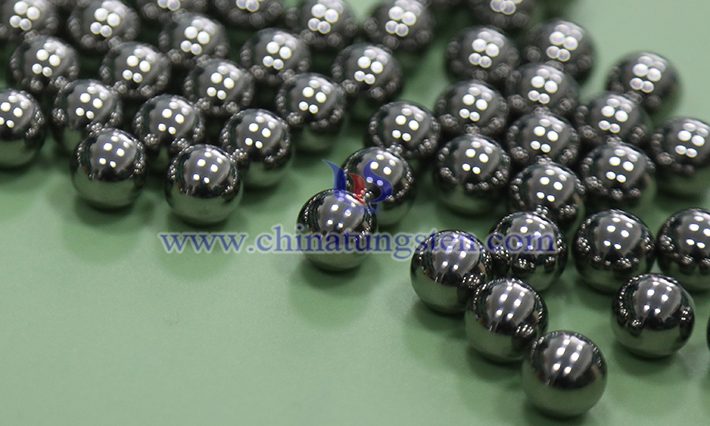
3. Factors Influencing Wear Resistance:
Friction Conditions: Under high loads or high sliding speeds, high-hardness tungsten carbide balls effectively resist abrasive wear and adhesive wear. Environmental Factors: In corrosive environments or at high temperatures, the wear resistance of cemented carbide may decrease due to surface oxidation or chemical reactions, but high hardness can still slow the wear rate.
Materials: The wear resistance of tungsten carbide balls is also related to the hardness and surface properties of the contacting materials. Harder tungsten carbide balls experience less wear when in contact with softer materials.
4. Trade-off between Hardness and Wear Resistance:
Excessive hardness can make the material excessively brittle, making it susceptible to fracture or spalling under impact or cyclic stress, reducing wear resistance.
Therefore, the balance between hardness and toughness must be optimized in actual applications based on specific operating conditions (such as impact load and friction type). For example, tungsten carbide balls used in high-impact applications may require slightly lower hardness to increase toughness.