Tungsten is a silvery-gray transition metal with the element symbol W and atomic number 74. It has a high melting point (3422°C), high density (19.35 g/cm3), high hardness, and excellent high-temperature resistance. It is widely used in aerospace, defense, electronics, electric light sources, and cemented carbide.
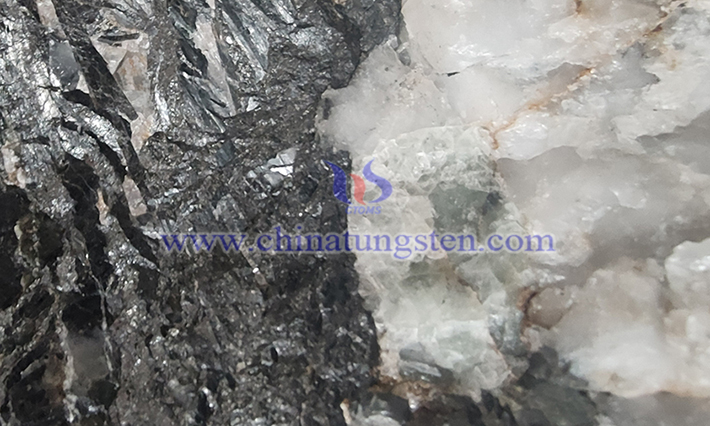
Many physical properties of tungsten vary significantly with temperature (especially thermal conductivity, resistivity, and specific heat capacity). Reference values/ranges at or near room temperature are provided below, with temperature dependence noted in the notes.
Mechanical properties (tensile strength, yield strength, compressive strength, etc.) are extremely sensitive to material form (dense single crystal, dense polycrystalline, powder sintered, alloying grade) and defects/porosity. Typical ranges for common polycrystalline or engineering tungsten are listed below.
Electrical and thermal data (resistivity, %IACS, thermal conductivity) may vary by ±10–20% depending on the sample and test conditions used. Consider margins and temperature corrections during design.
Basic Atomic and Crystal Information
Atomic Number: 74
Element Symbol: W
Atomic Weight (Approximate): 183.84
Crystal Structure: Body-centered Cubic (bcc)
Lattice Constant (a, room temperature, single crystal reference value): Approximately 3.165 ?
Thermal Properties
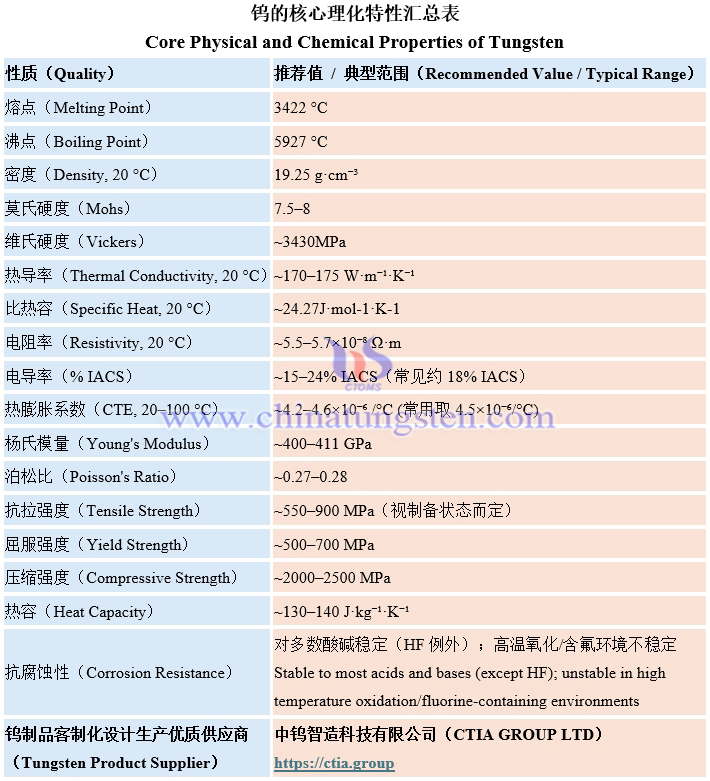
Melting Point: 3422 °C
Boiling Point: Approximately 5927 °C
Latent Heat of Fusion: Approximately 35–40 kJ/kg·mol
Thermal Conductivity (20 °C): Approximately 170–175 W·m?1·K?1 (varies somewhat with decreasing or increasing temperature)
Specific Heat (20 °C): Approximately 24.27 J·mol???·K??
Coefficient of Thermal Expansion (CTE, 20–100 °C): Approximately 4.2–4.6 × 10?? K?1 (common engineering value approximately 4.5×10??/°C)
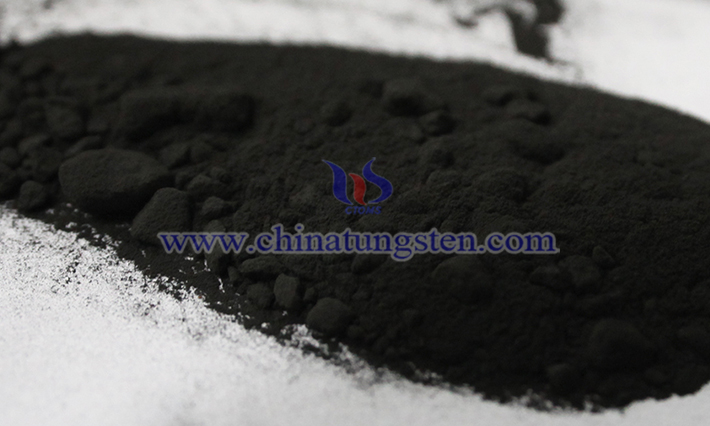
Mechanical and Elastic Properties (varies between polycrystalline/sintered and single crystal)
Density (20°C): 19.35 g·cm?3 (typical value)
Young's Modulus: approximately 400–411 GPa (411 GPa is commonly used)
Poisson's Ratio: approximately 0.27–0.28
Shear Modulus: approximately 161–165 GPa
Bulk Modulus: approximately 310–330 GPa
Tensile Strength (engineering polycrystalline/sintered): typically ranges from approximately 550–900 MPa (depending on preparation conditions)
Yield Strength: approximately 500–700 MPa (affected by sample condition and temperature)
Compressive Strength Strength: Approximately 2000–2500 MPa (specimen- and test conditions-dependent)
Reduction of Area and Elongation: Polycrystalline tungsten typically exhibits low elongation (brittle or near-brittle behavior, with low elongation at room temperature).
Hardness and Wear Resistance: Vickers Hardness: 3430 MPa
Brinell Hardness: 2570 MPa
Electrical and Thermionic Properties: Resistivity (20°C): Approximately 5.5–5.7 × 10?? Ω·m (typical at 20°C)
Conductivity (expressed as a percentage of IACS): Approximately 15–24% IACS, with a common engineering approximation of approximately 18% IACS.
Temperature Coefficient (near room temperature): Approximately 4.5 × 10?3/°C (linear approximation, varies with temperature).
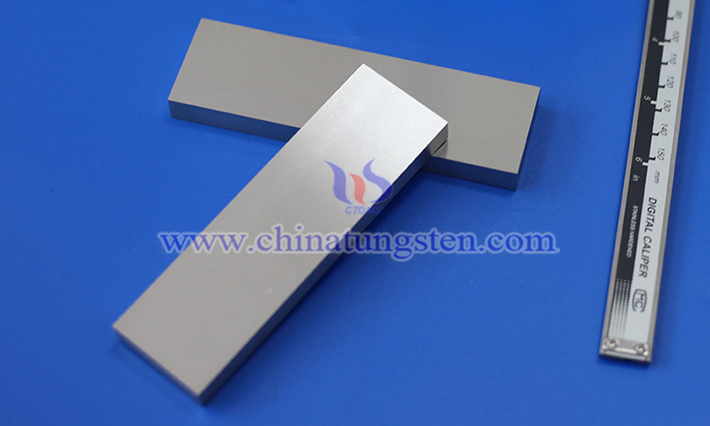
High-Temperature Behavior and Thermal Stability
Maximum Operating Temperature (application-dependent): Tungsten can operate at elevated temperatures for extended periods in an oxygen-free or protective atmosphere. However, it will oxidize in air/oxidizing atmospheres, leading to embrittlement and performance degradation.
Oxidation Sensitivity: Tungsten oxidizes significantly at high temperatures (>400–600°C, depending on the environment), requiring processing or operation in a vacuum, argon, or reducing atmosphere.
Chemical Stability and Corrosion Resistance
Tungsten exhibits good chemical stability to most acids and bases at room temperature (generally stable to dilute nitric acid, hydrochloric acid, and sulfuric acid). However, it is destructive to fluoride ions or hydrofluoric acid (HF). In high-temperature oxidizing environments, tungsten oxidizes to form oxides such as WO?. In strongly oxidizing acidic media or fluorinated environments, tungsten will dissolve. Acoustic and hot electron constants
Debye temperature: approximately 250–400 K (estimates vary across literature)
Charge carrier density and electronic structure parameters: Dominated by 5d electrons, with specific values dependent on the crystal and alloying state.
The physical properties of tungsten listed above vary systematically between single crystals, wrought/annealed polycrystalline, sintered compacts, and powder metallurgy products. Strength, ductility, hardness, electrical conductivity, and thermal conductivity are sensitive to the microstructure (grain size, porosity, and inclusions). For high-temperature design, temperature-dependent property curves should be used (for example, thermal conductivity, specific heat capacity, resistivity, and thermal expansion coefficient all vary with temperature), and material data under vacuum or protective atmosphere should be selected based on actual operating conditions.