The liquid phase sintering (LPS) process is widely used in the preparation of molybdenum-copper alloys due to its excellent densification ability, high thermal conductivity and optimized mechanical properties. By properly controlling the sintering temperature, atmosphere, powder particle size and alloy composition, the final properties of Mo-Cu alloys can be significantly improved to meet the demanding requirements of high-end electronic packaging and aerospace applications.
1. Key influencing factors of liquid-phase sintering
1.1 Molybdenum-copper ratio
An increase in molybdenum content will reduce the coefficient of thermal expansion and improve the resistance to high temperatures, but too high a molybdenum content will reduce the thermal conductivity of the material. A common Mo-Cu alloy ratio is Mo:Cu = 70:30 or 80:20, depending on the application.
1.2 Wettability of copper
Good wettability helps the copper to penetrate evenly between the molybdenum particles and improves the sintering density. The addition of a small amount of activator (such as Ni or Co) can improve the wettability of copper against molybdenum and enhance the mechanical strength and thermal conductivity of the alloy.
1.3 Sintering atmosphere
The use of hydrogen reducing atmosphere or high-purity argon can effectively prevent the oxidation of copper and improve the sintering quality. The formation of copper oxide reduces the thermal conductivity and affects the bonding strength of the alloy.
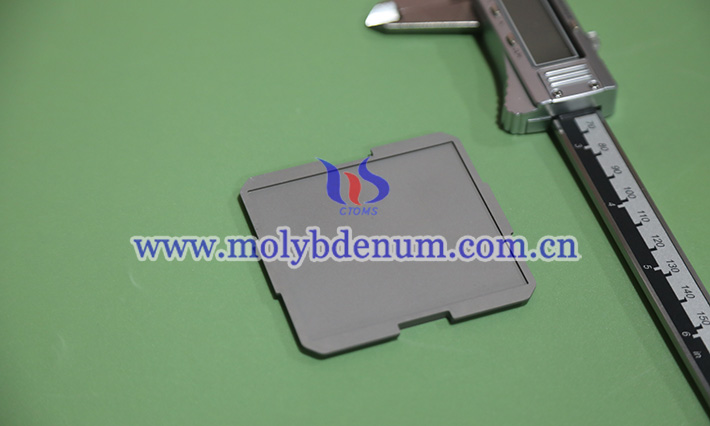
2. The effects of liquid-phase sintering on the properties of molybdenum-copper alloys are as follows:
2.1 High density
LPS can significantly increase the density of the alloy to more than 98%. High density means fewer pores, improving the mechanical properties and thermal conductivity of the material.
2.2 High thermal conductivity
Because the liquid phase of copper can effectively fill the voids between molybdenum particles, the thermal conductivity of the Mo-Cu alloy of LPS is high, up to 180-250 W/m·K, which is suitable for electronic devices with high heat dissipation requirements.
2.3 Low coefficient of thermal expansion
The coefficient of thermal expansion (CTE) of liquid-phase sintered Mo-Cu alloys typically ranges from 6.0-8.0 x 10??/K, and the composition can be adjusted to match specific semiconductor materials, such as Si or GaAs, thereby reducing thermal mismatch problems.
2.4 Optimization of mechanical properties
Compared with the powder metallurgy process, LPS's Mo-Cu alloy has higher tensile strength and impact resistance, making it perform better in high-stress environments.