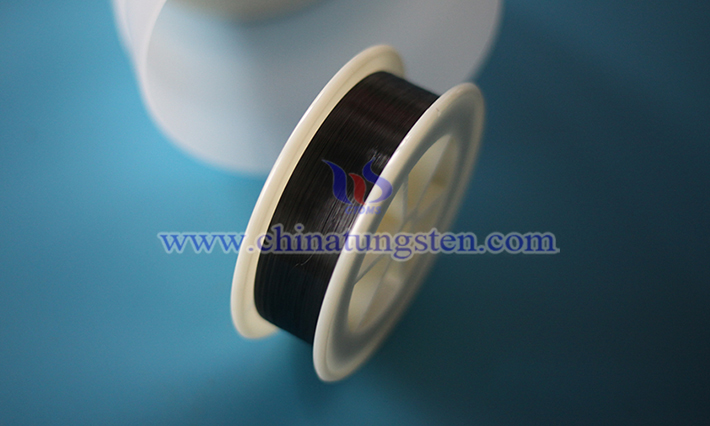
The quality certification for cut-resistant tungsten wire involves a series of rigorous tests and evaluations to ensure that the wire not only possesses cut-resistant properties but also meets specific performance standards and safety requirements. Tungsten wire, known for its high melting point and exceptional strength, is commonly used in high-temperature and high-pressure environments, such as in light bulbs, electrodes, and welding equipment. The "cut-resistant" characteristic requires the tungsten wire to exhibit enhanced durability and resistance to fracture when subjected to mechanical stress. Below are the key aspects that may be involved in the quality certification process:
1. Material Purity
The performance of tungsten wire largely depends on its purity. Typically, high-quality tungsten wire must have a tungsten content of 99.95% or higher to ensure its strength and heat resistance. During the certification process, the purity of the material is verified through chemical analysis.
2. Mechanical Properties
Cut-resistant tungsten wire must possess excellent mechanical strength. Certification typically includes the following tests:
Tensile Strength: Measures the maximum load the tungsten wire can withstand before breaking under tension.
Yield Strength: Assesses the wire's resistance to plastic deformation before it begins to yield.
Elongation at Break: Determines the ductility of the wire by measuring how much it stretches before breaking.
These tests ensure that the tungsten wire is less prone to breaking when subjected to external forces.
3. Cut Resistance
As a core characteristic of "cut-resistant" tungsten wire, certification places special emphasis on its ability to resist cutting. This may involve tests that simulate real-world usage scenarios, such as attempting to cut the wire with standardized cutting tools under controlled conditions to quantify its resistance to cutting and durability.
4. Thermal Stability
Since tungsten wire is often used in high-temperature environments, quality certification may include high-temperature performance tests. These tests verify whether the wire maintains its structural integrity and functionality under high temperatures, such as checking for deformation or performance degradation after prolonged exposure to specific temperatures.
5. Surface Quality
The surface of the tungsten wire should be smooth and free from significant defects (such as cracks or scratches) to minimize the risk of breakage during use. The certification process may involve microscopic examination of surface roughness and defects to ensure compliance with standards.
6. Dimensional Accuracy
The diameter and length of the tungsten wire must be strictly controlled to ensure consistency and reliability in applications. Certification involves measuring whether the dimensions fall within the specified tolerance ranges.
Certification Bodies and Standards
Quality certification may be conducted by government agencies, industry associations, or third-party testing organizations. In China, relevant national standards (such as GB/T) may provide guidance, while internationally, standards like ISO may also apply. The specific certification process and requirements vary depending on the intended use of the tungsten wire and market demands.